Artwork
Art Installations
Isamu Noguchi at Lever House
On display through Summer 2027
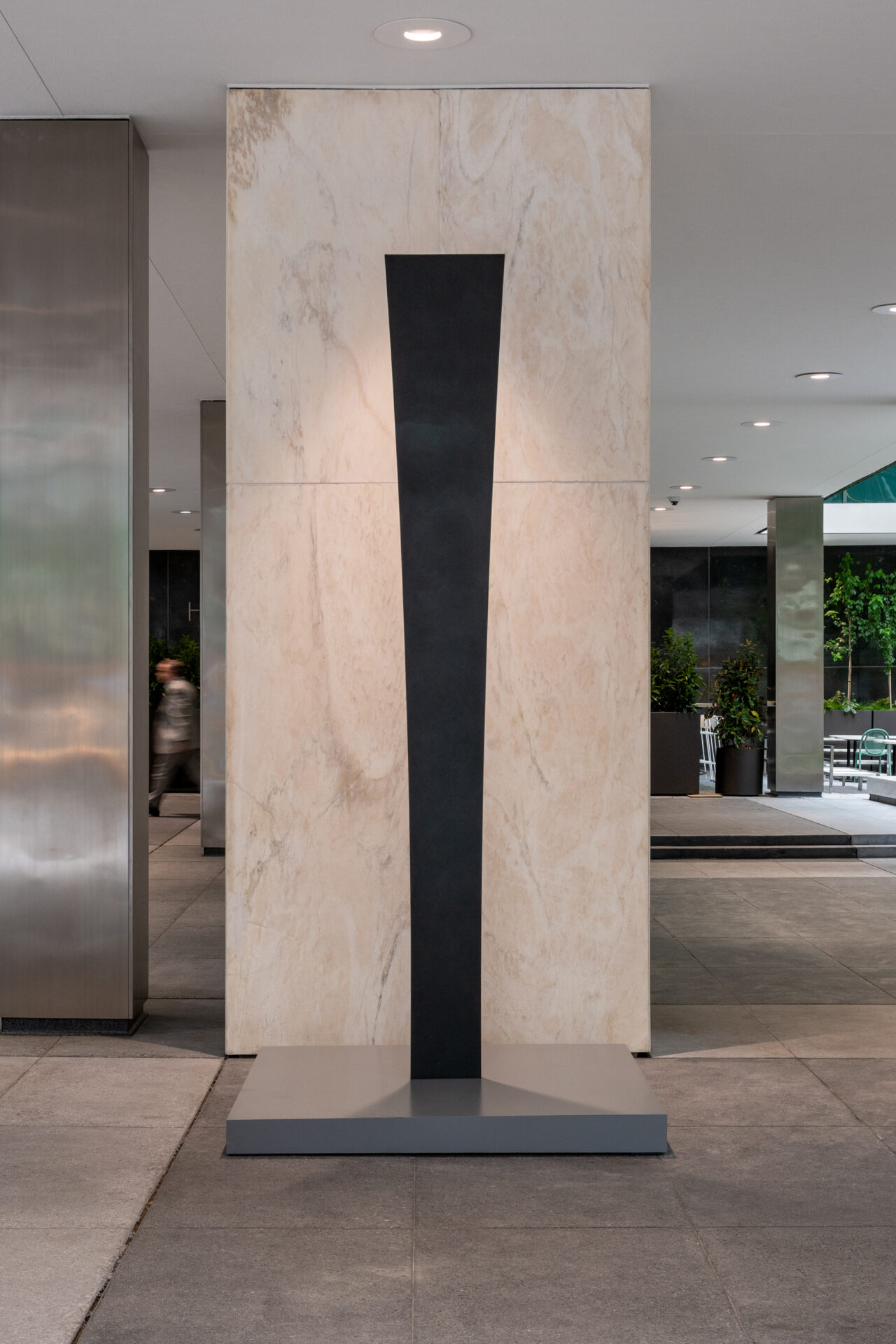
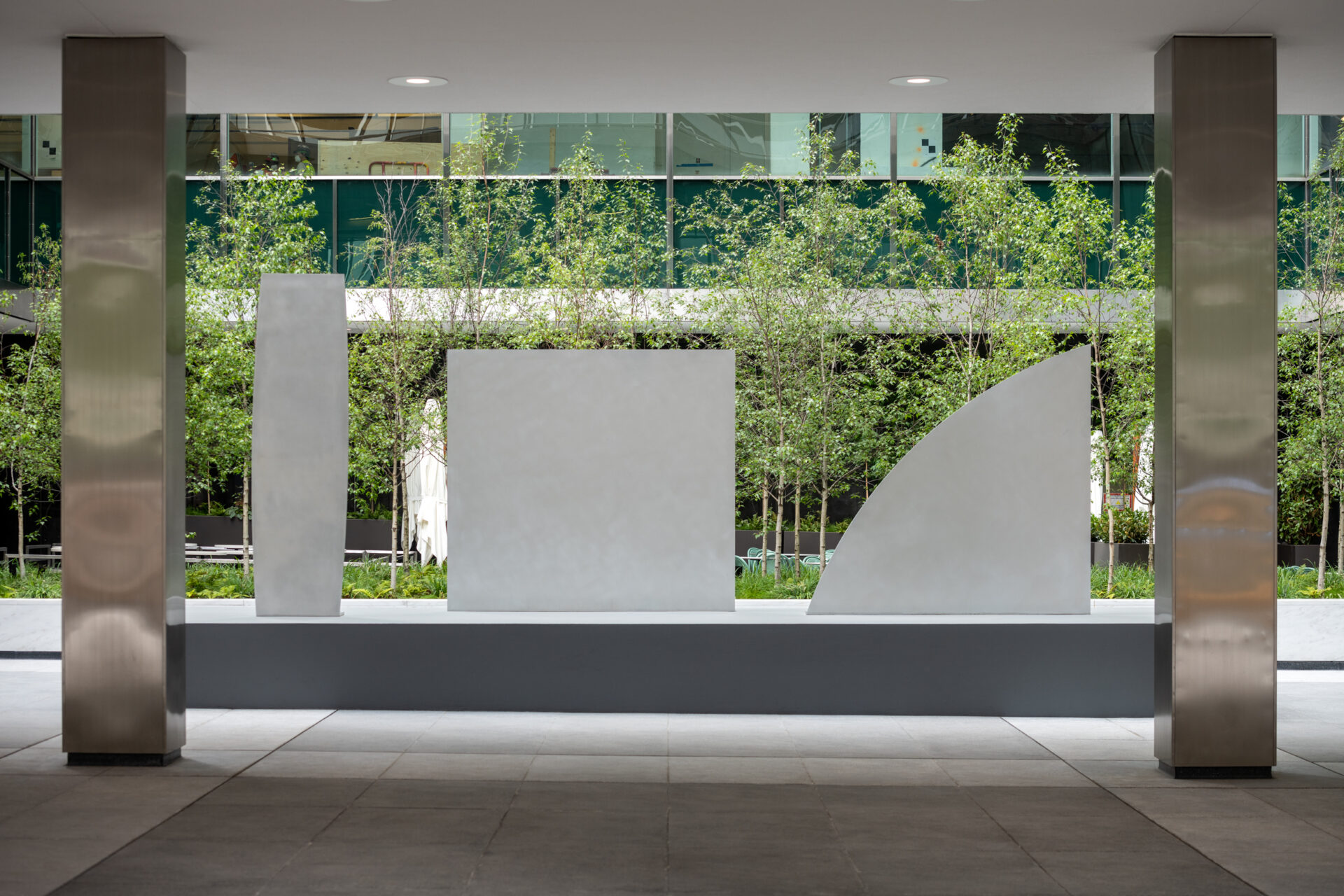
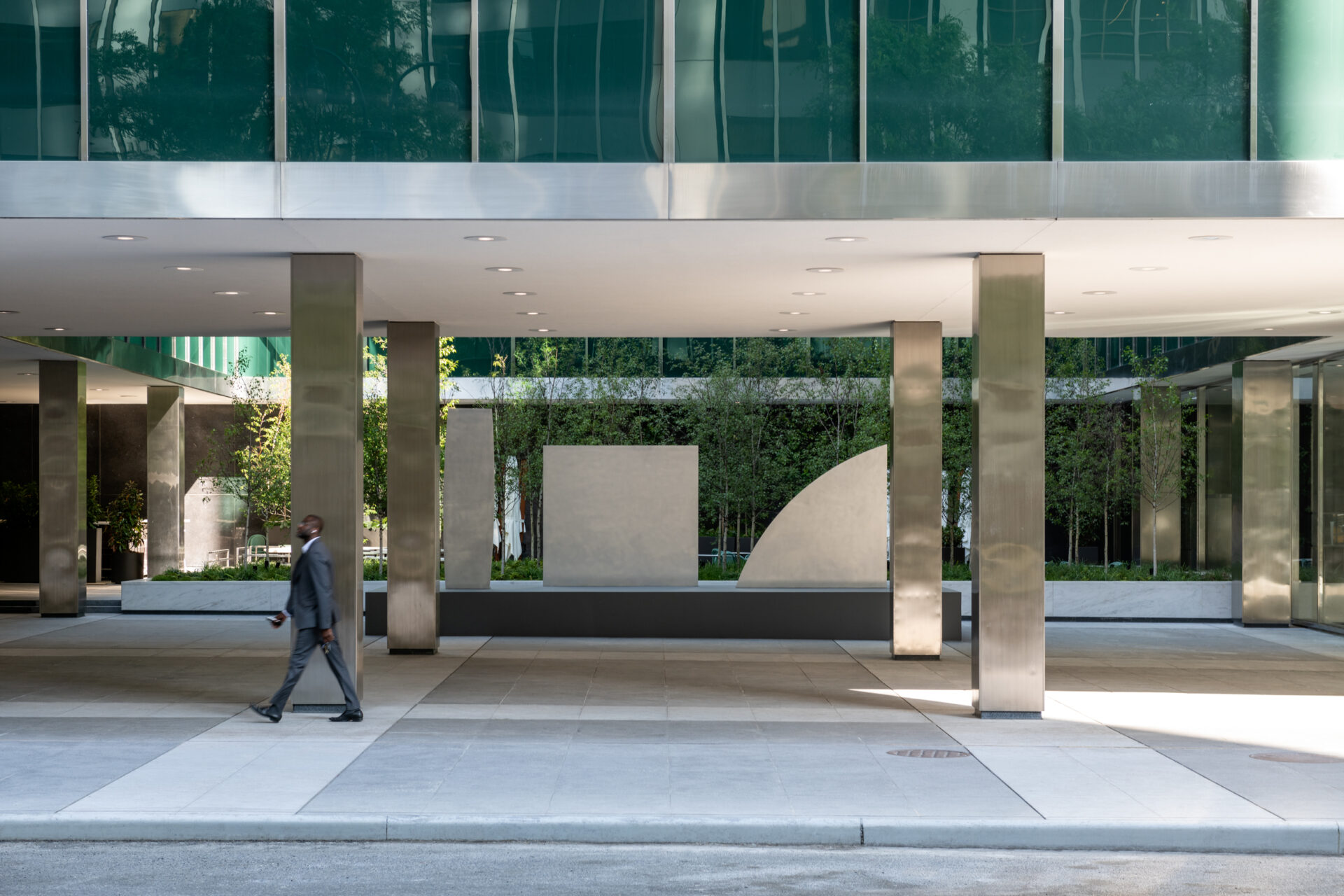
New York—August 2026—BGRE, WatermanCLARK, and The Noguchi Museum are pleased to present Isamu Noguchi at Lever House, an exhibition of works by the acclaimed artist in collaboration with White Cube. Installed throughout the courtyard, plaza, and lobby of Lever House in New York City, the exhibition will be on view from September 14, 2026 through Summer 2027. The exhibition is organized by Jacob King, who oversees Lever House’s art program, and is curated by Hitomi Iwasaki, Head Curator and Director of Curatorial Affairs, and Matthew Kirsch, Curator and Director of Research, of The Noguchi Museum.
Isamu Noguchi at Lever House is the third presentation of public art at Lever House since BGRE (formerly Brookfield Properties) and WatermanCLARK purchased the building in 2020 and embarked on a $100m restoration of the 22-story tower and public plaza. It follows a widely acclaimed exhibition of sculptures by Claes Oldenburg & Coosje van Bruggen (2025–26), and an exhibition of Ellsworth Kelly sculpture timed to coincide with the artist’s centennial (2024–25).
The exhibition revisits one of the most significant unrealized collaborations in the history of American modernism. Bringing together sculpture, architecture, landscape and design, the exhibition explores the creative dialogue between artist Isamu Noguchi (1904–1988) and architect Gordon Bunshaft (1909–1990), whose shared ambitions to unite art and architecture found its earliest and most ambitious expression at Lever House.
Designed by Skidmore, Owings & Merrill (SOM) and completed in 1952, Lever House transformed New York’s skyline as the city’s first commercial office tower with a glass-and-steel curtain wall. Bunshaft, a partner at SOM, envisioned its open public courtyard as something more than an architectural forecourt. He sought an artist capable of creating an environment in which sculpture and architecture would become inseparable. He turned to Noguchi, whose ability to synthesize landscape, sculpture, and the built environment made him uniquely suited to realize that vision.
Working closely with Bunshaft starting in 1951, Noguchi developed two extraordinary proposals for the courtyard inspired by the white sand gardens of Kyoto. Conceived as a total work of art, the first proposal featured a pristine marble plane surrounding a shallow reflecting pool from which emerged three biomorphic granite forms—abstracted figures representing a father, mother, and child. A second proposal expanded the concept into a richer landscape animated by water, vegetation, voids, and sculptural interventions, including an homage to Constantin Brancusi’s Endless Column.
Although the commission was never realized, the Lever House project became a defining moment in Noguchi’s career and established a lasting creative relationship between him and Bunshaft. The proposal crystallized ideas that would occupy Noguchi for decades: sculpture as landscape, public space as a place for contemplation and play, and the integration of natural materials within modern architecture. Likewise, it reflected Bunshaft’s conviction that contemporary art should be conceived as an essential architectural element rather than an afterthought. More than 70 years later, the exhibition reunites Noguchi with Lever House, allowing visitors to reconsider this remarkable collaboration through the sculptures, models, drawings, and architectural ideas it inspired.
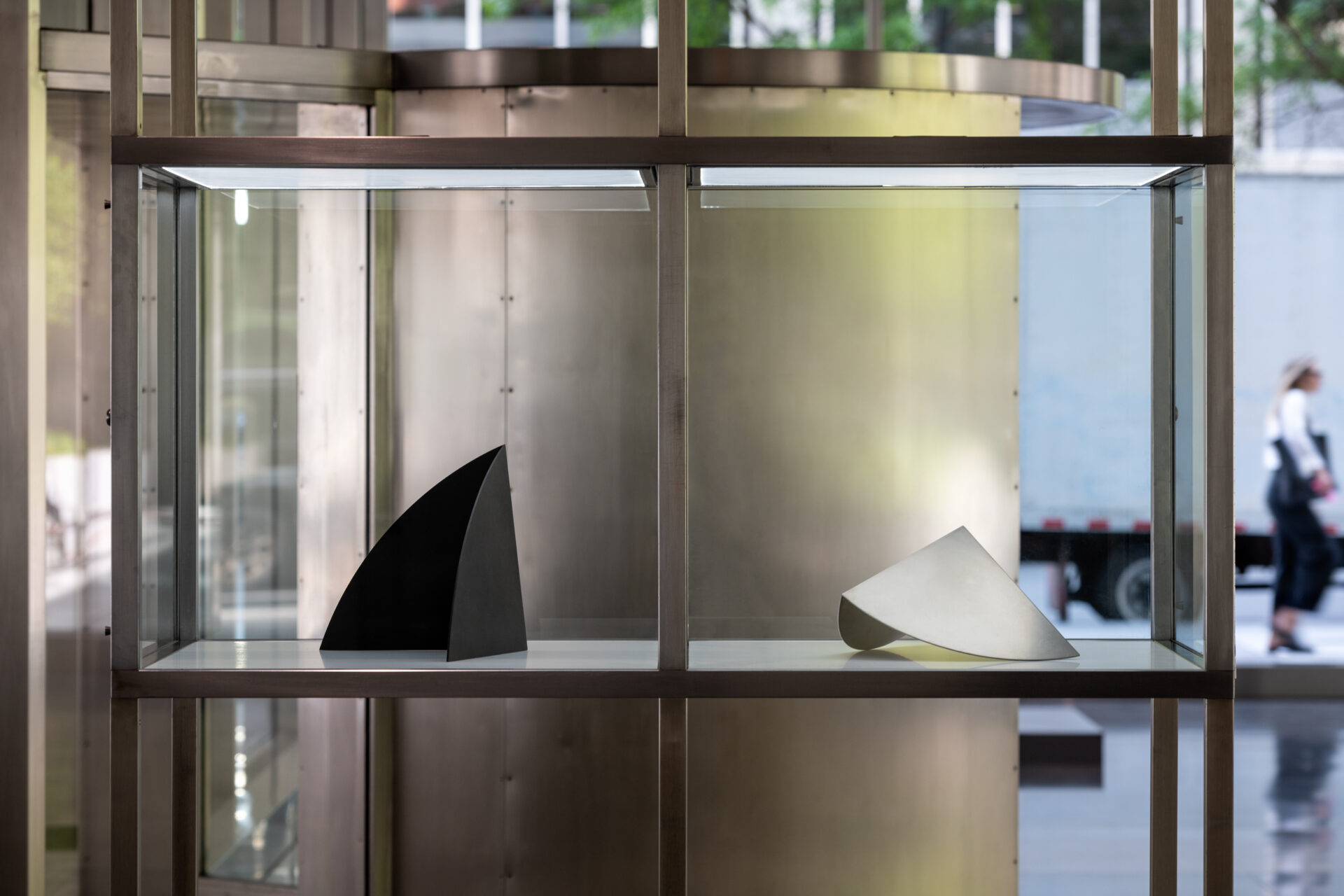
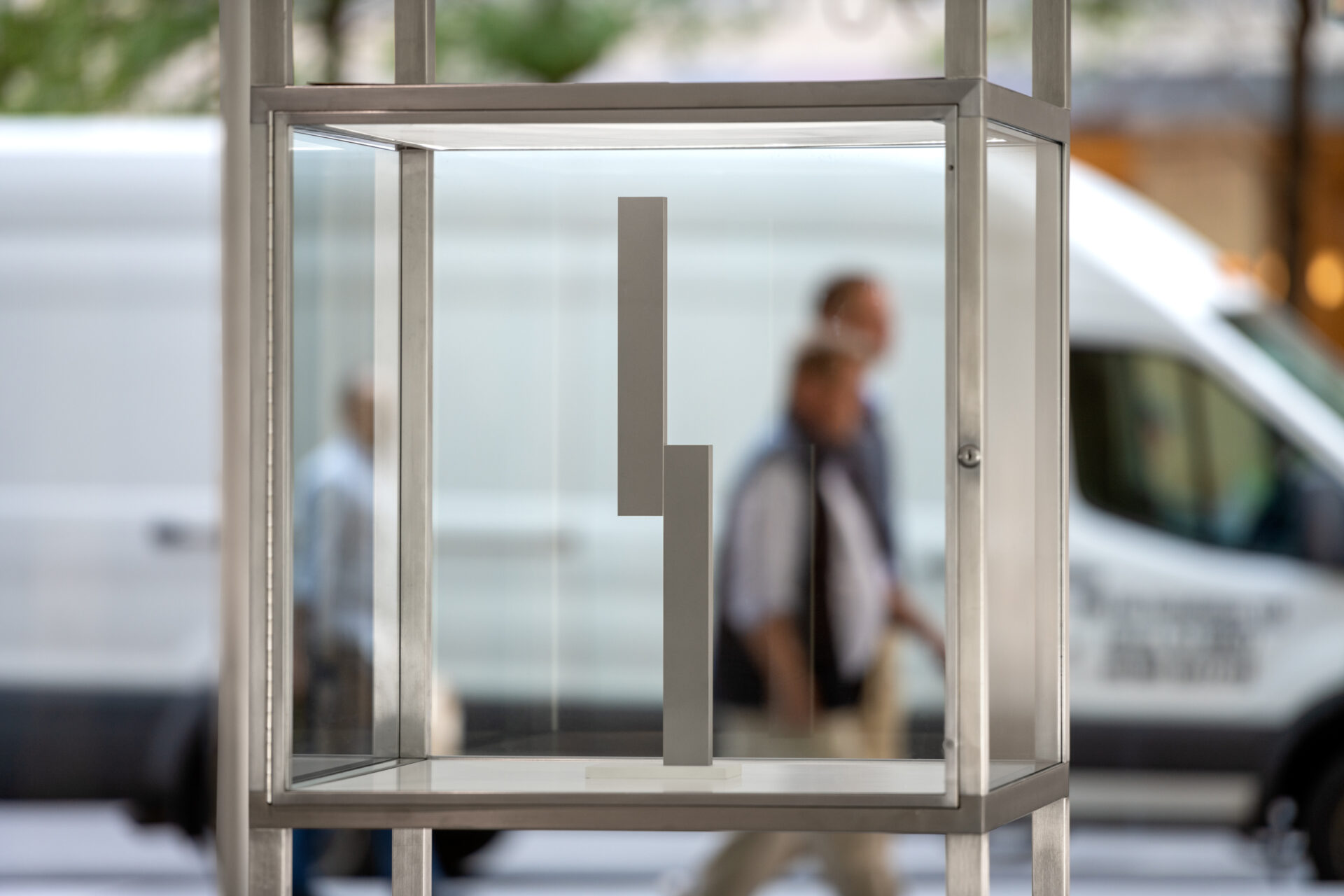
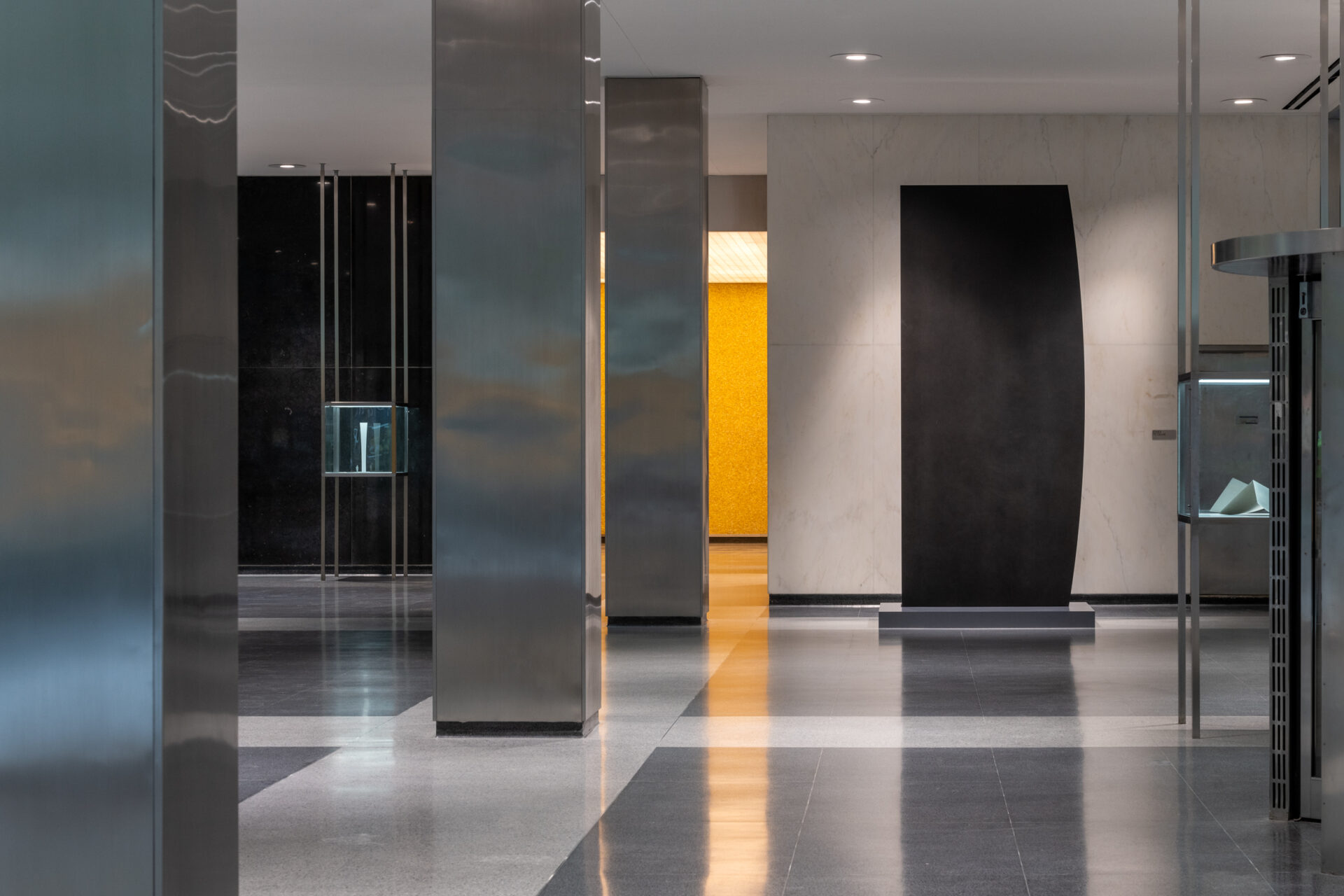
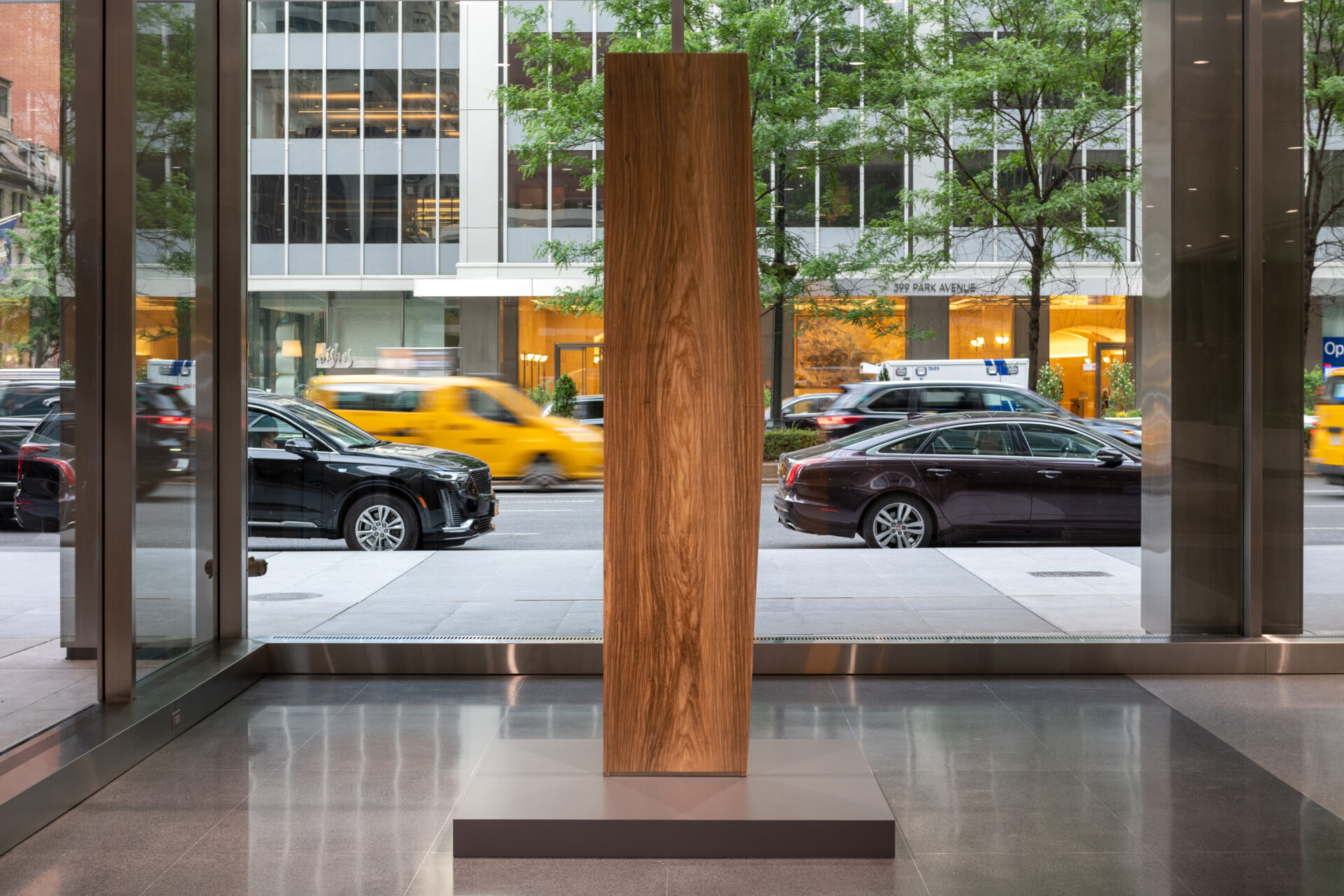
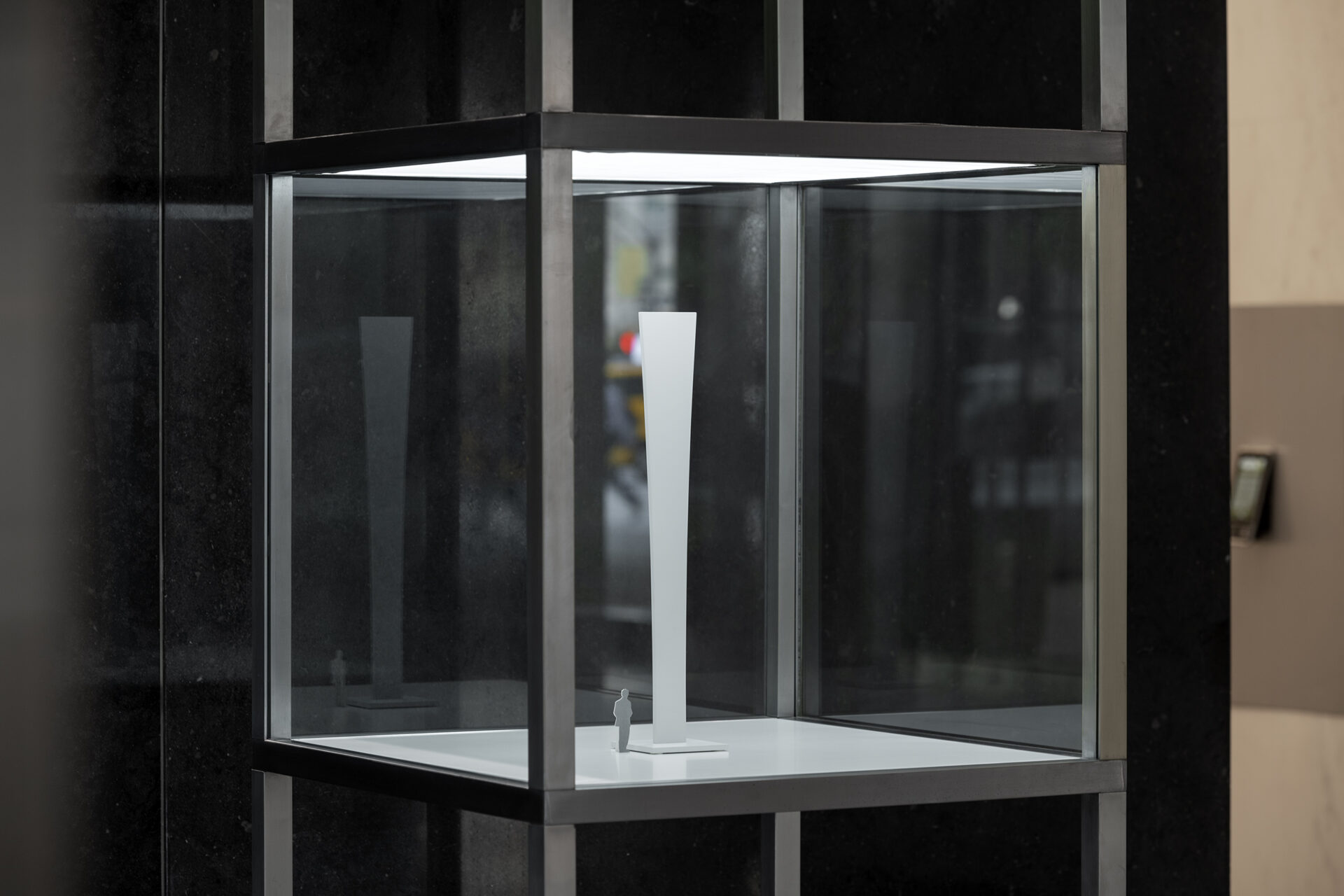
At the heart of the exhibition is Noguchi’s Model for the Lever Brothers Building, presented within one of Lever House’s original lobby vitrines designed by Bunshaft, alongside a selection of architectural drawings related to the unrealized commission. Together, they offer a rare opportunity to experience the proposal that might have fundamentally altered one of New York’s most iconic modernist buildings. These are presented alongside realized sculptures that reveal how ideas first explored for Lever House continued to evolve throughout Noguchi’s practice, including the marble Bird B (1958), directly inspired by the commission. Additional sculptures, including the stoneware ceramic Daruma (1952), and Katsura (c. 1968), composed of granite, steel, and wood, illustrate Noguchi’s tendency to alternate between materials and playfully combine organic and industrial elements. The exhibition also brings together important metal sculptures spanning Noguchi’s career, including Noh Musicians (1958) in painted aluminum, Mountains Forming (1982–83) in hot-dipped galvanized steel, and the monumental bronze 2=1 (1988). Noguchi was deeply interested in how materials responded to place, and many of his cut-metal works were inspired by the glass-and-steel skyscrapers reshaping Manhattan following his return from Japan in 1958. Installed against Lever House’s iconic curtain wall, these sculptures establish a direct dialogue with one of the defining achievements of twentieth-century architecture.
Expanding beyond sculpture, Isamu Noguchi at Lever House also highlights Noguchi’s prolific and multifaceted practice. Noguchi approached sculpture as an expansive discipline that encompassed furniture, playgrounds, stage sets, landscapes, as well as autonomous works of art. This interdisciplinary vision finds expression in Octetra (1965/2021) and Play Sculpture (c. 1965–80), installed in the building’s courtyards, which function simultaneously as abstract sculpture and children’s play equipment.
The exhibition also coincides with the 75th anniversary of Akari light sculptures, first developed by Noguchi in 1951. A special presentation of Akari will illuminate the front corner of the lobby, facing Park Avenue, embodying light’s capacity to be both poetic and ephemeral—qualities that stand in productive tension with the precision and permanence of the courtyard below. For Noguchi, Akari was a way “to bring sculpture into a more direct involvement with the common experience of living,” highlighting the artist’s belief that art should invite participation and enrich everyday life.
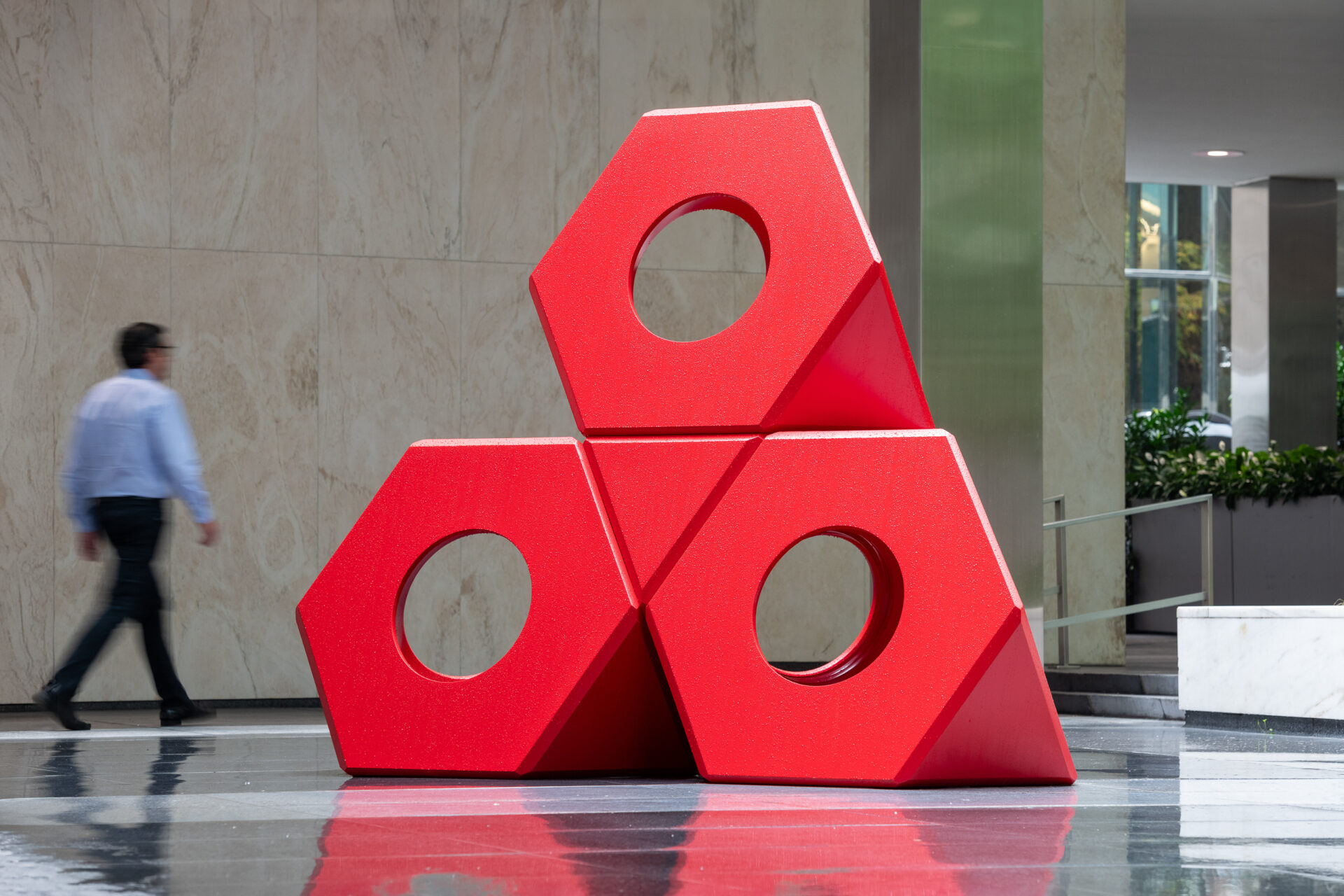
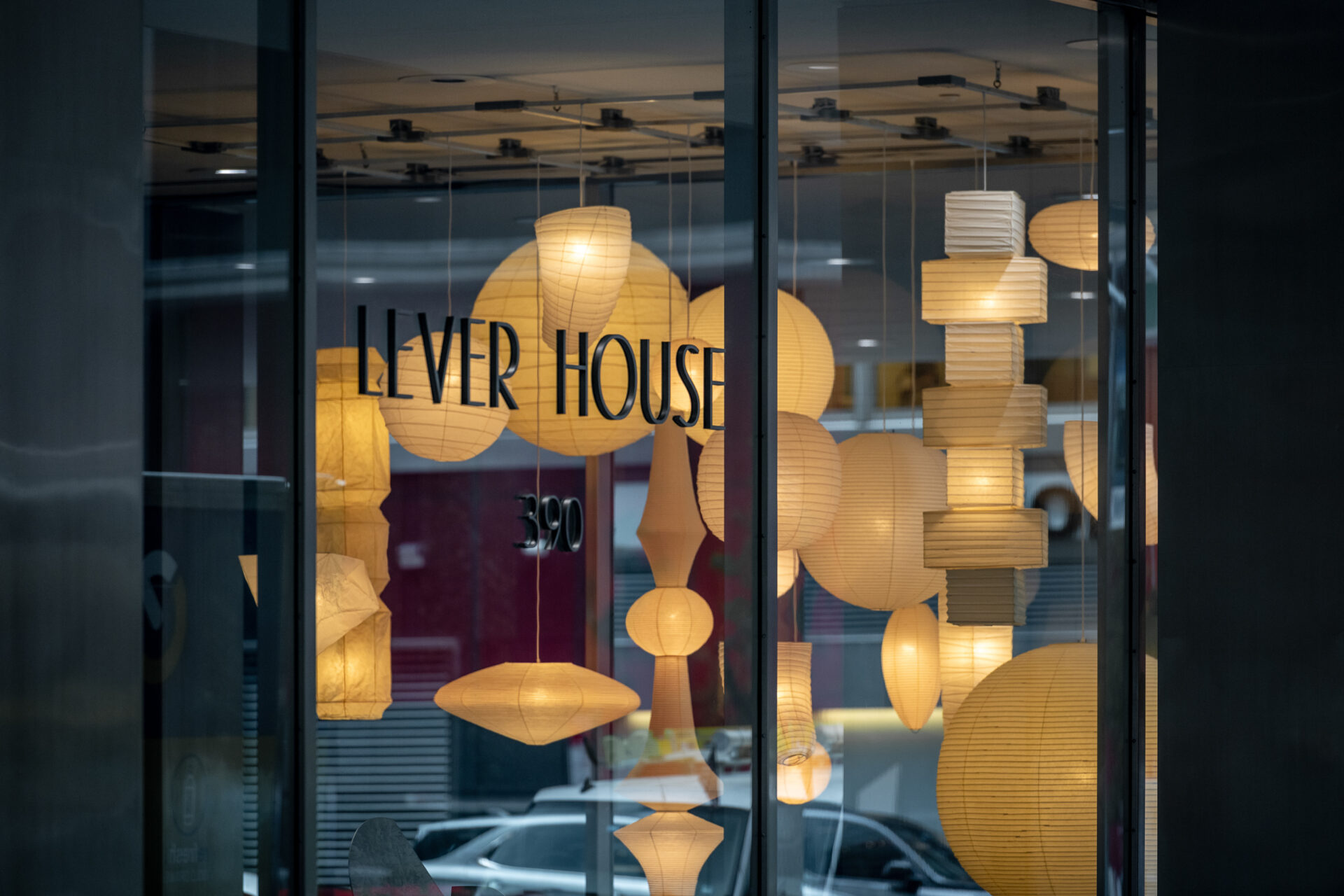
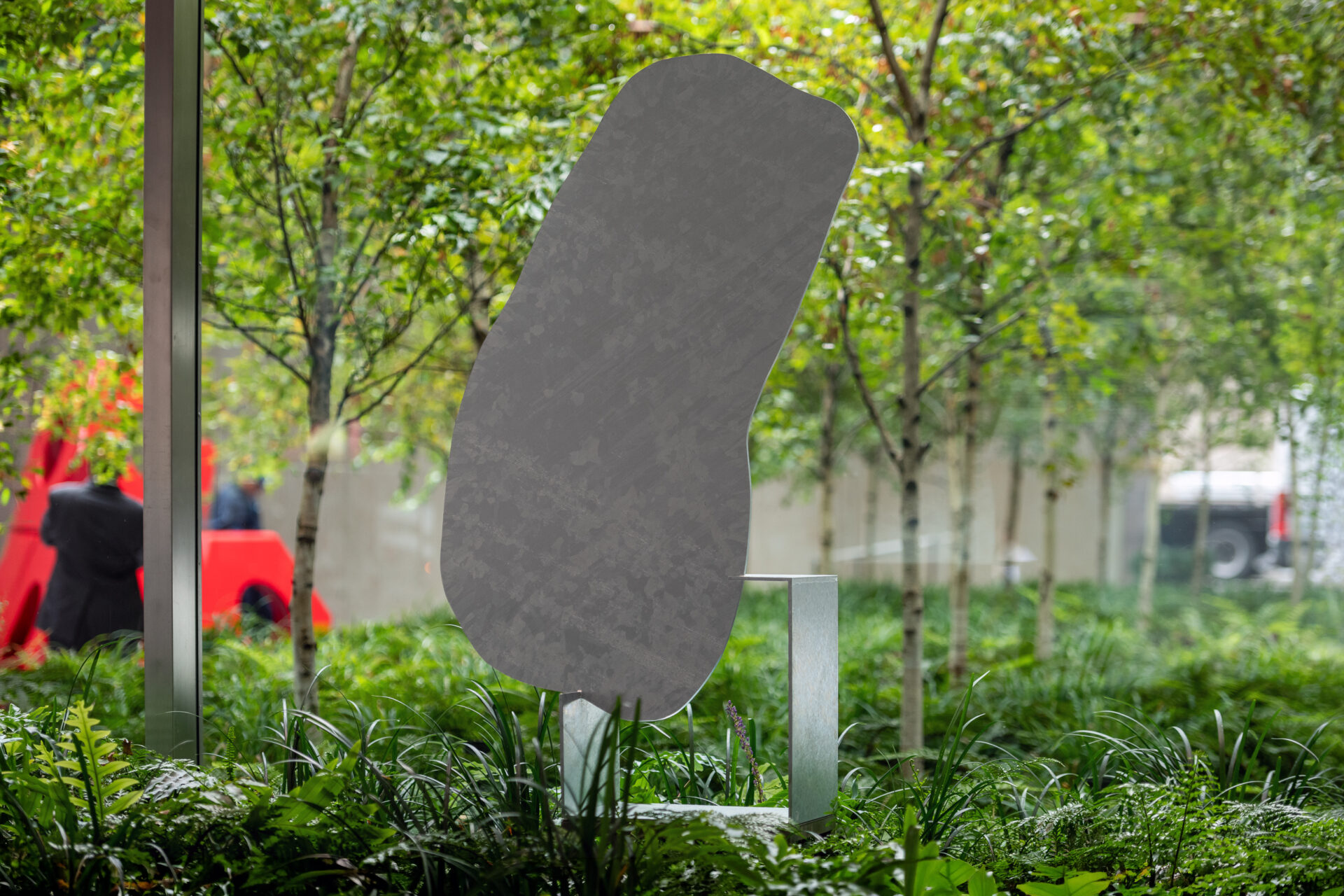
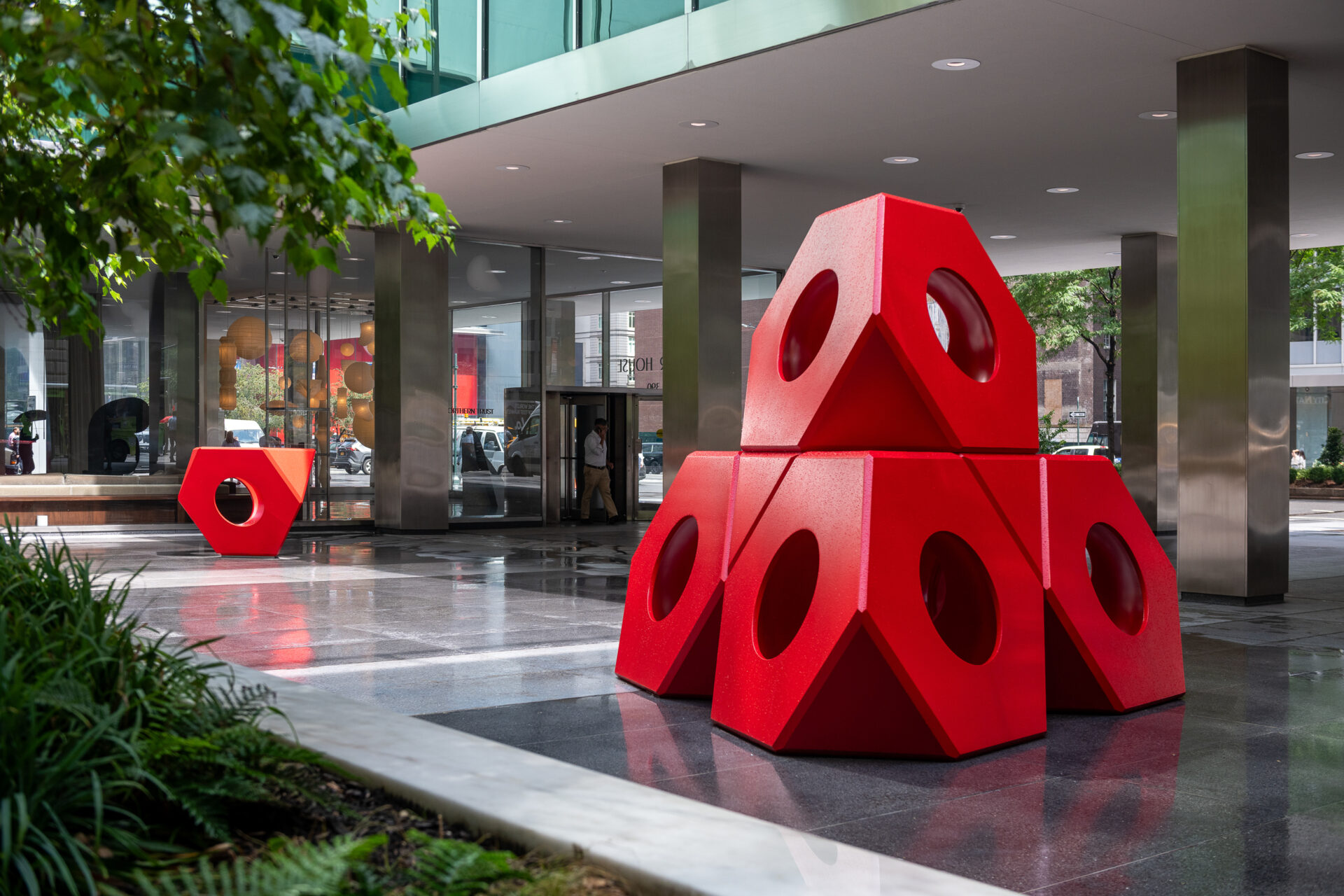
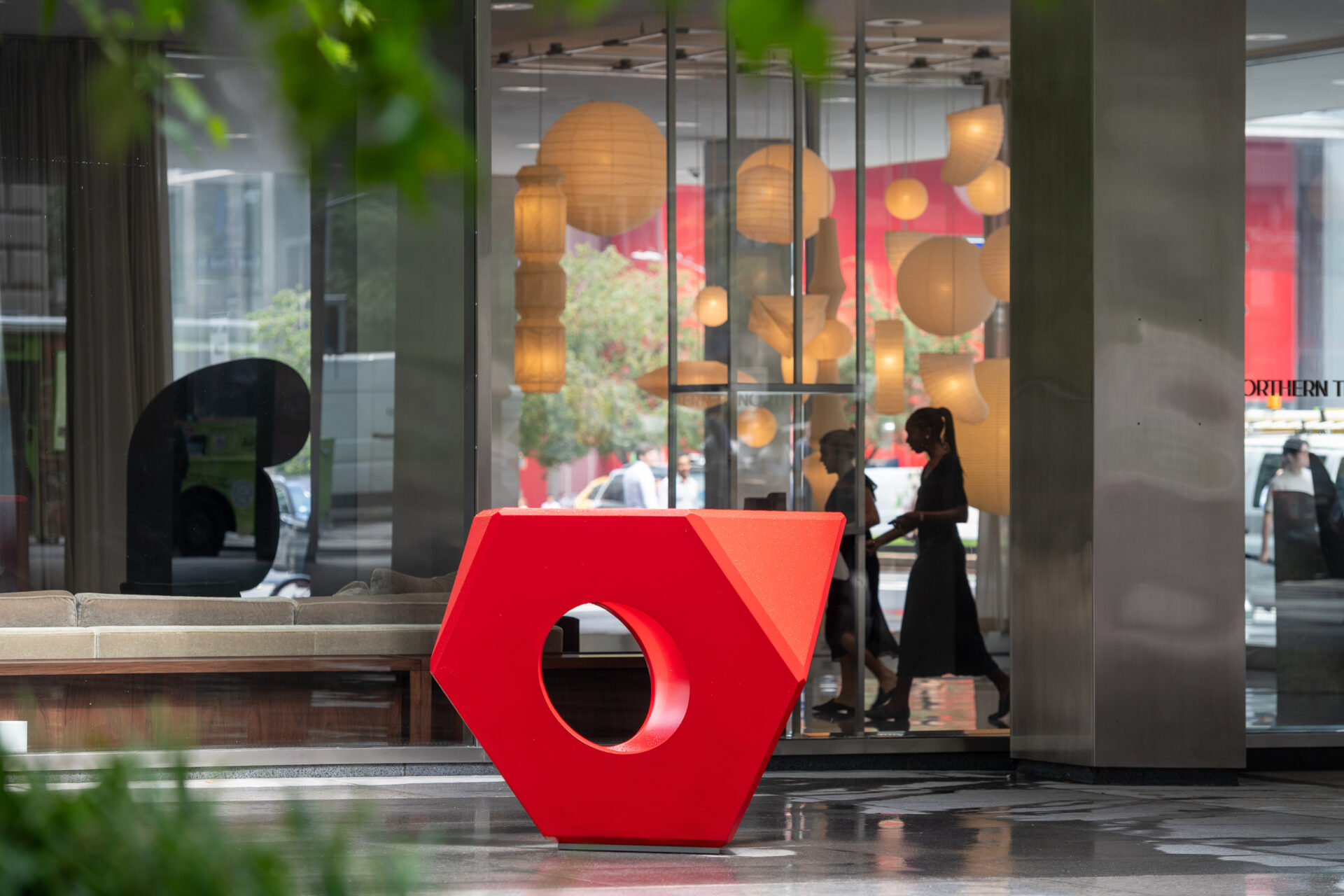
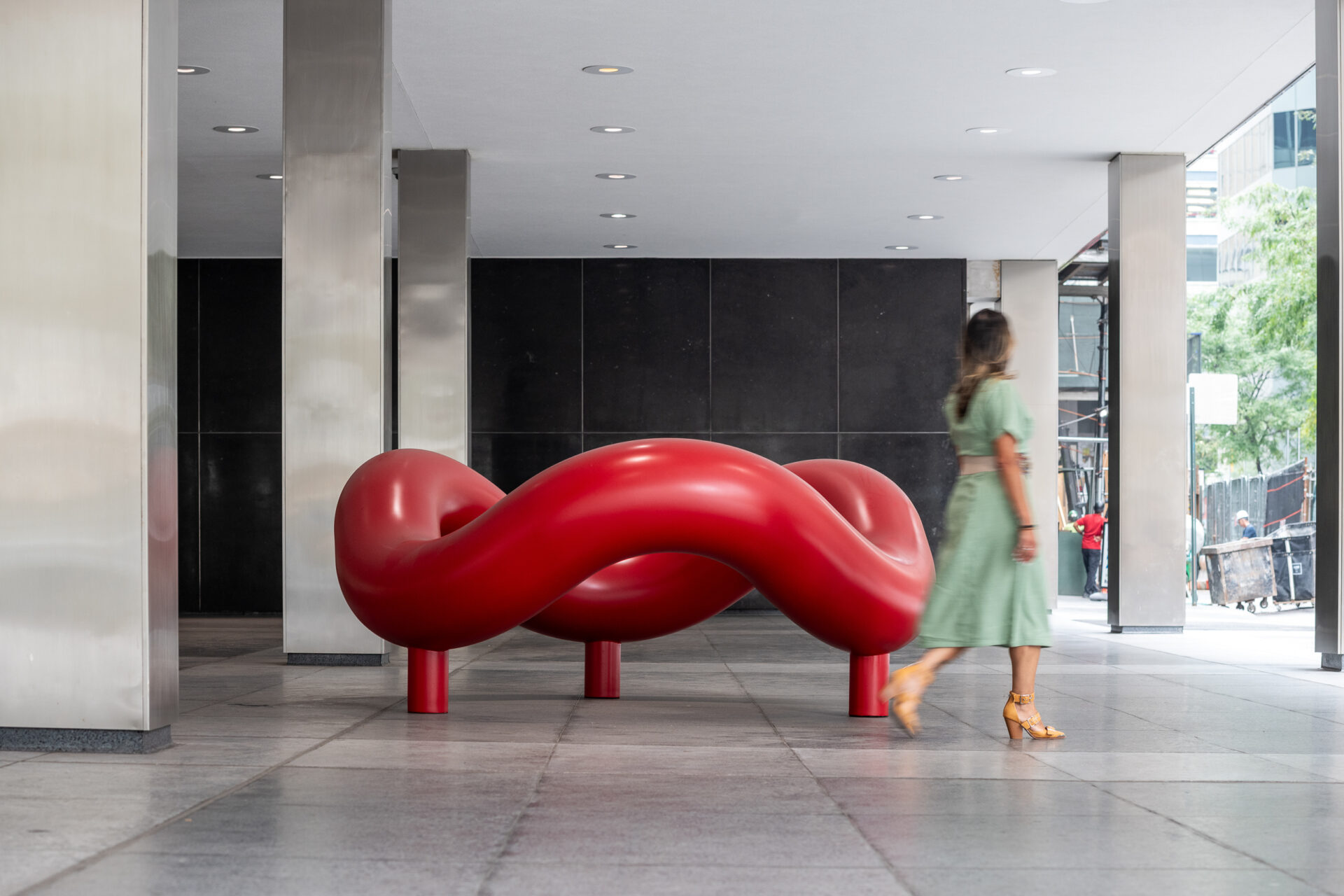
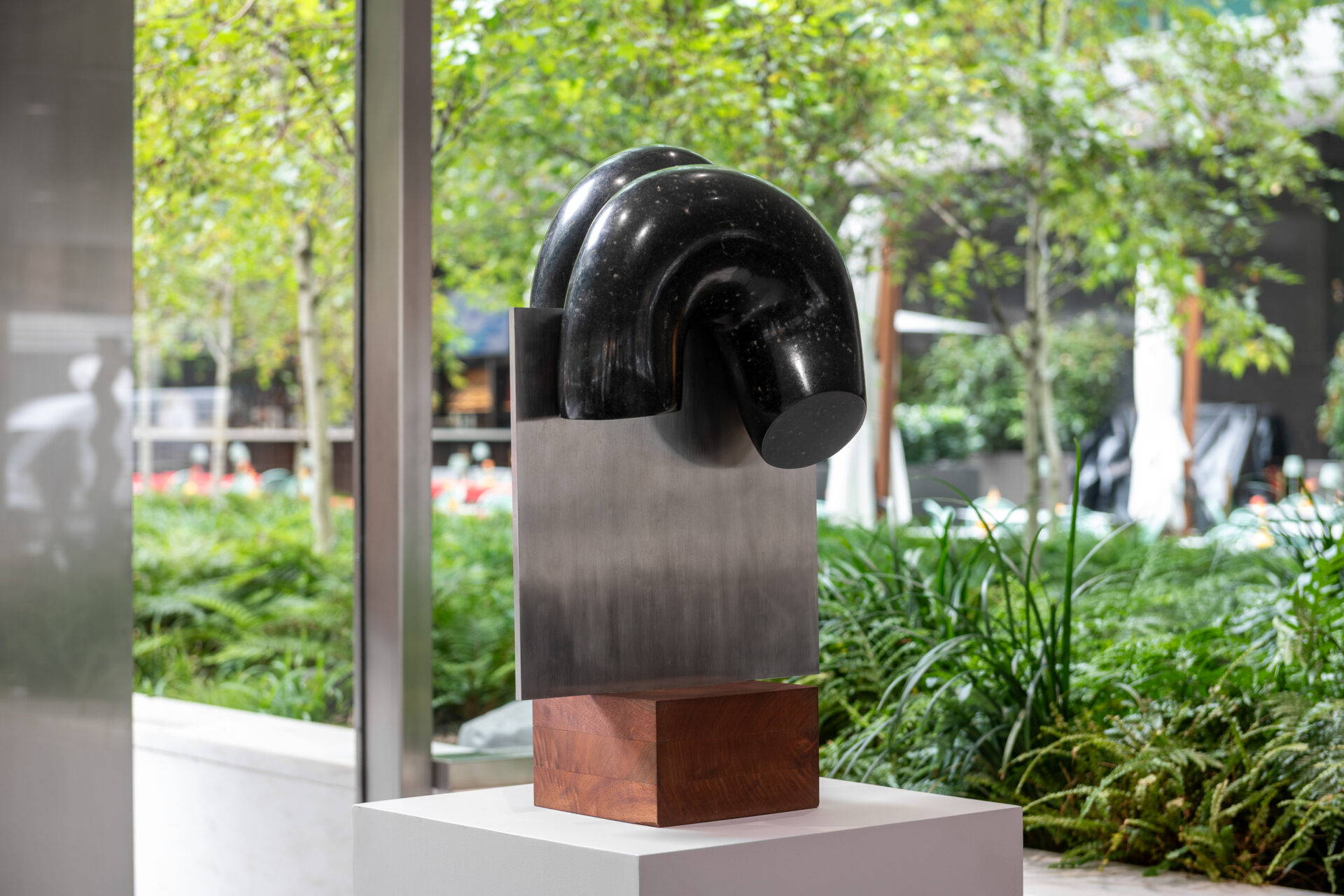
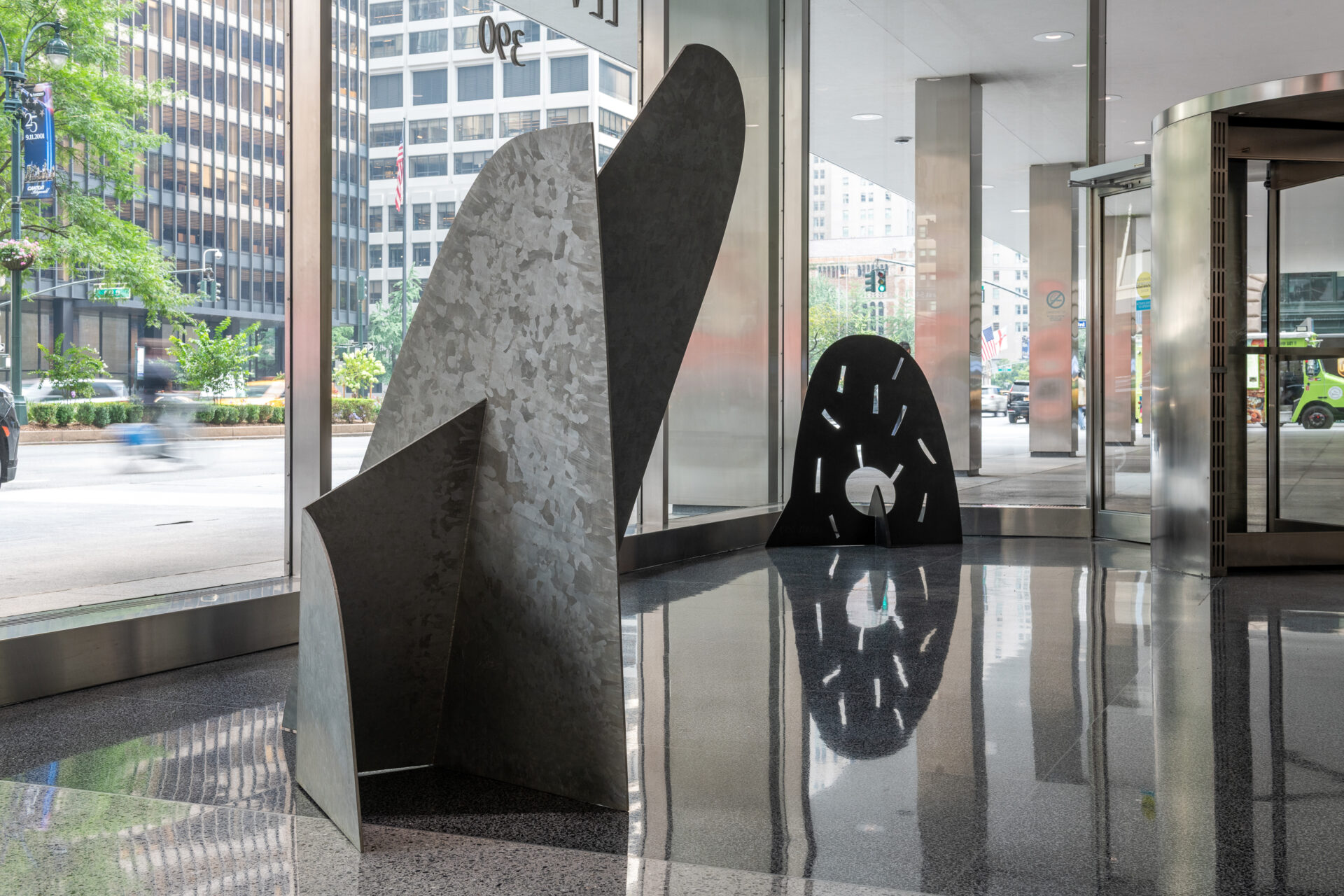
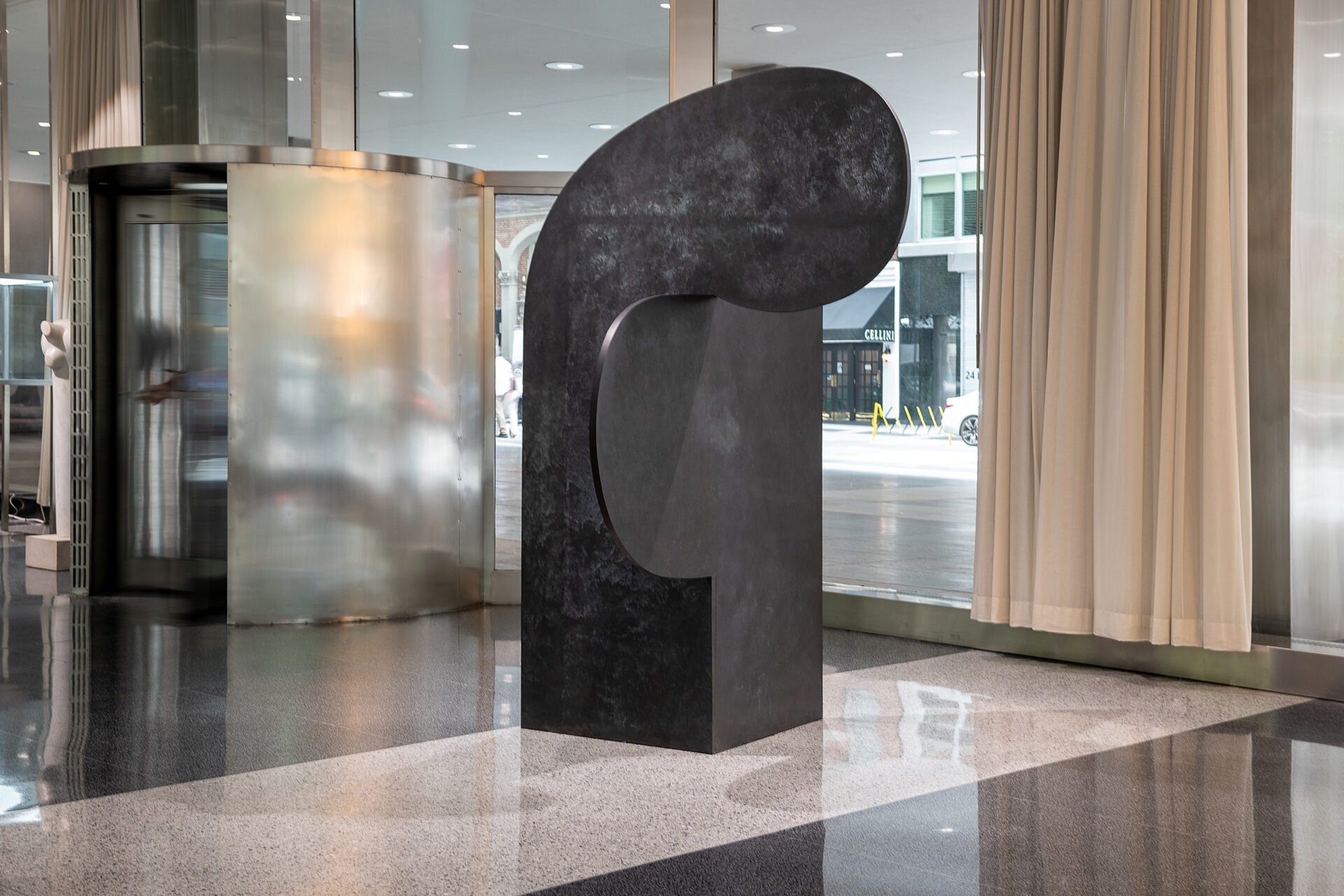
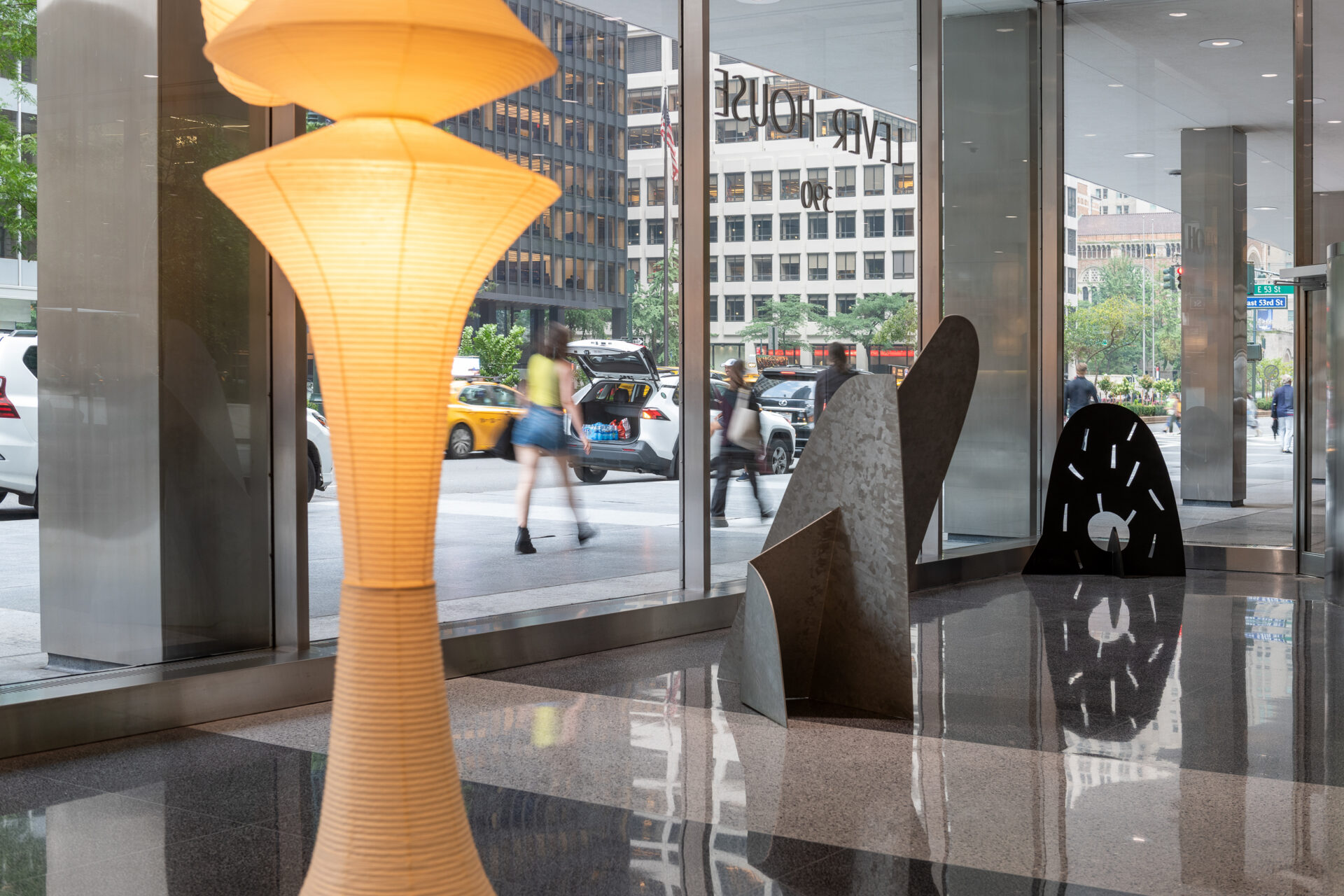
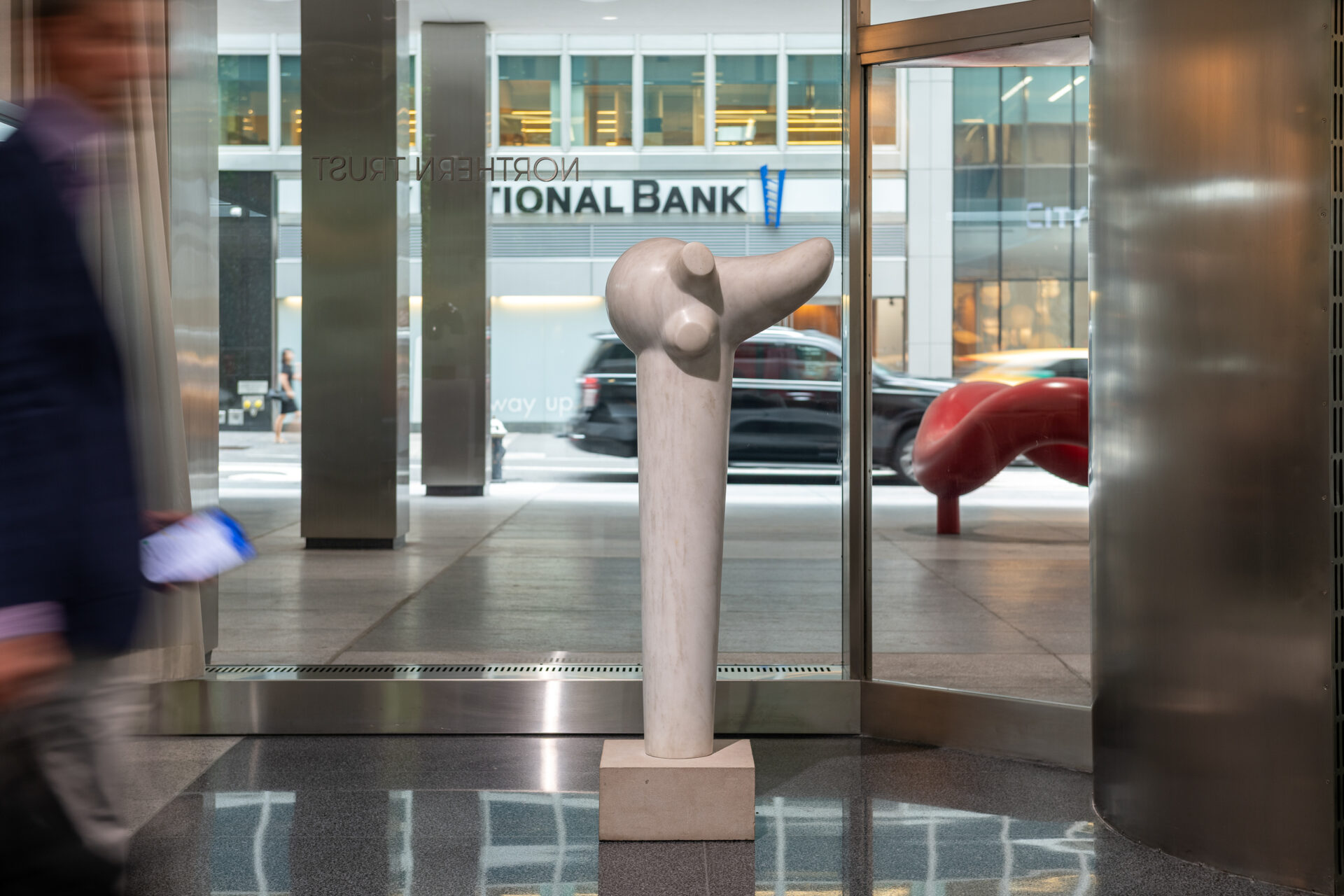
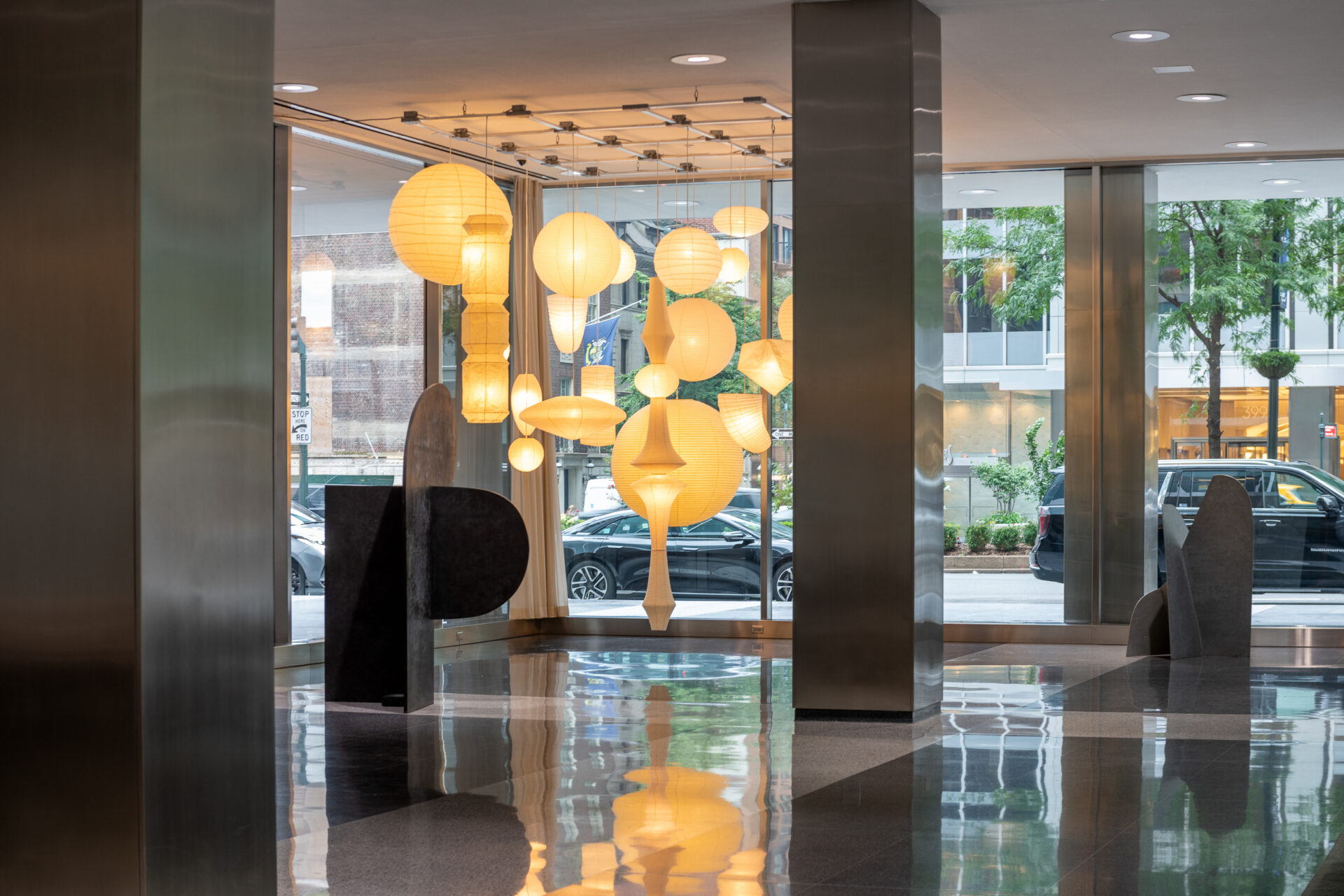
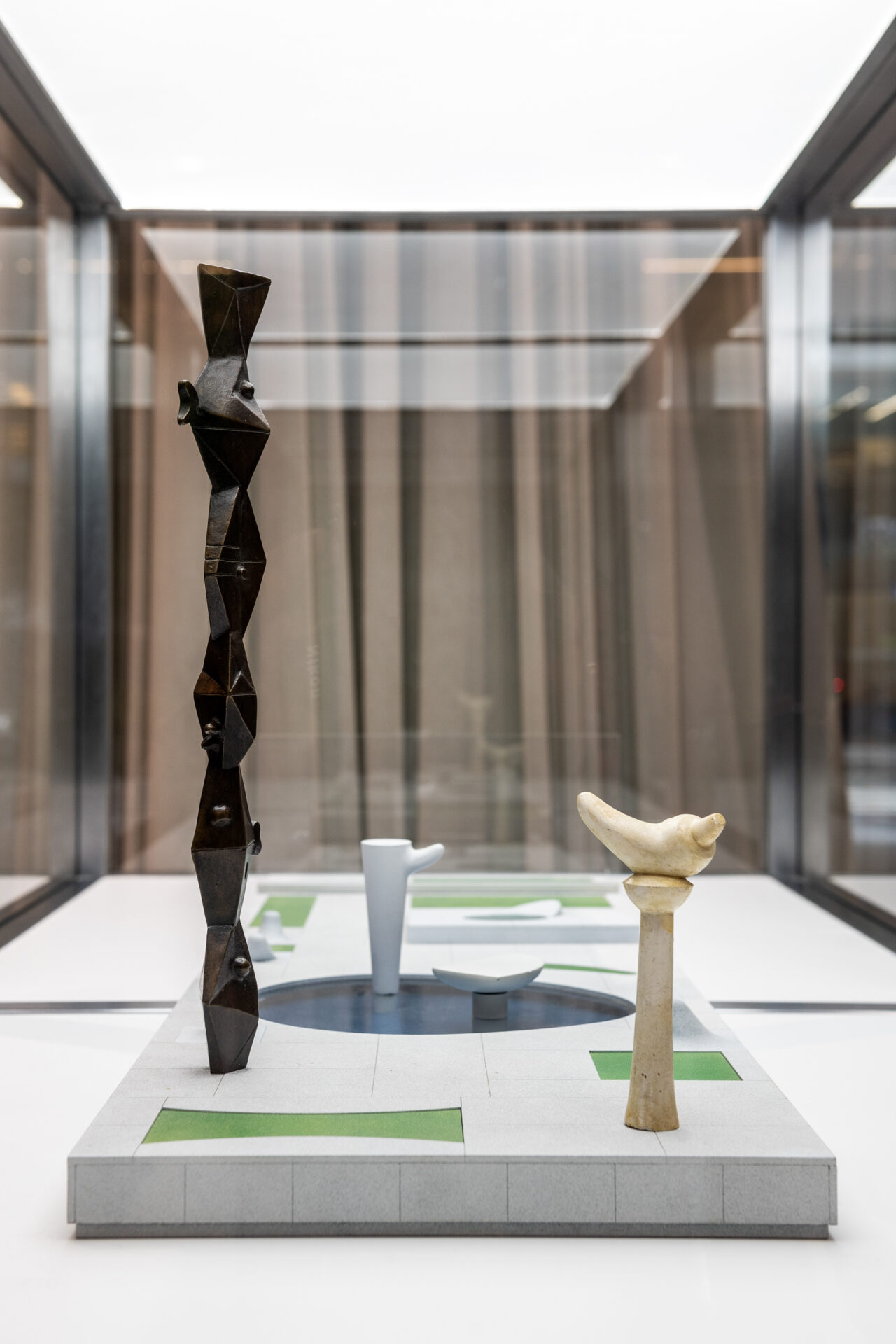
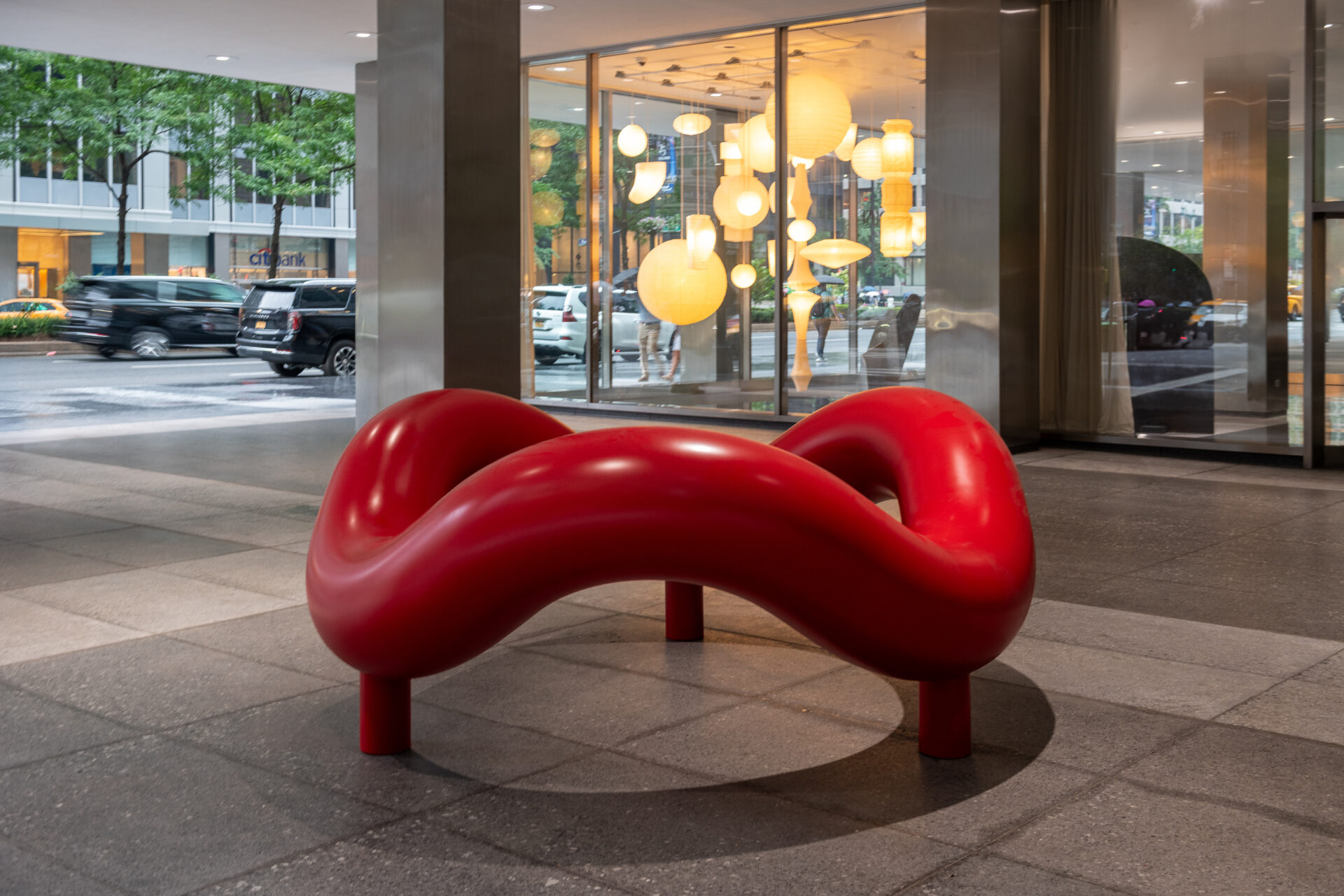
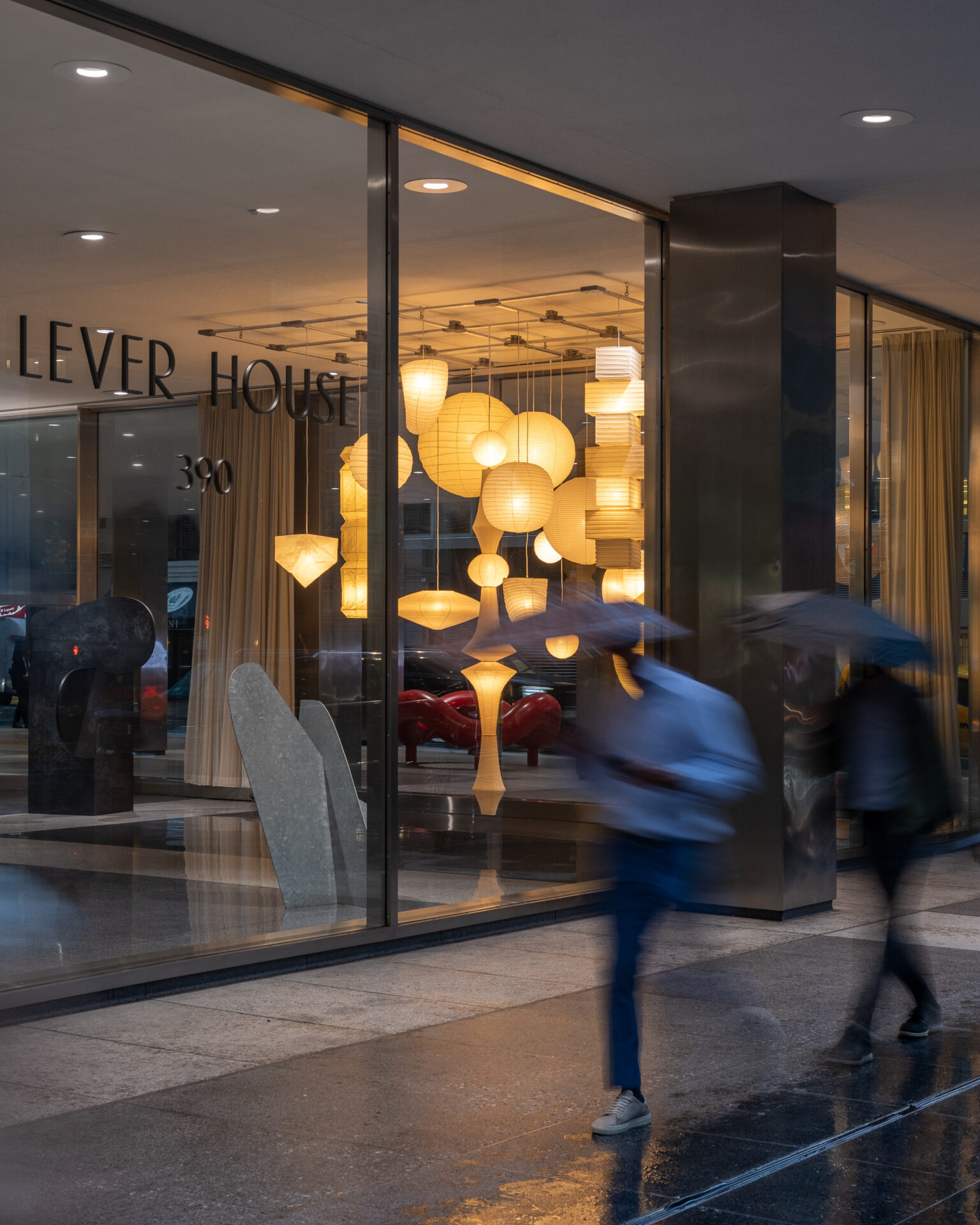
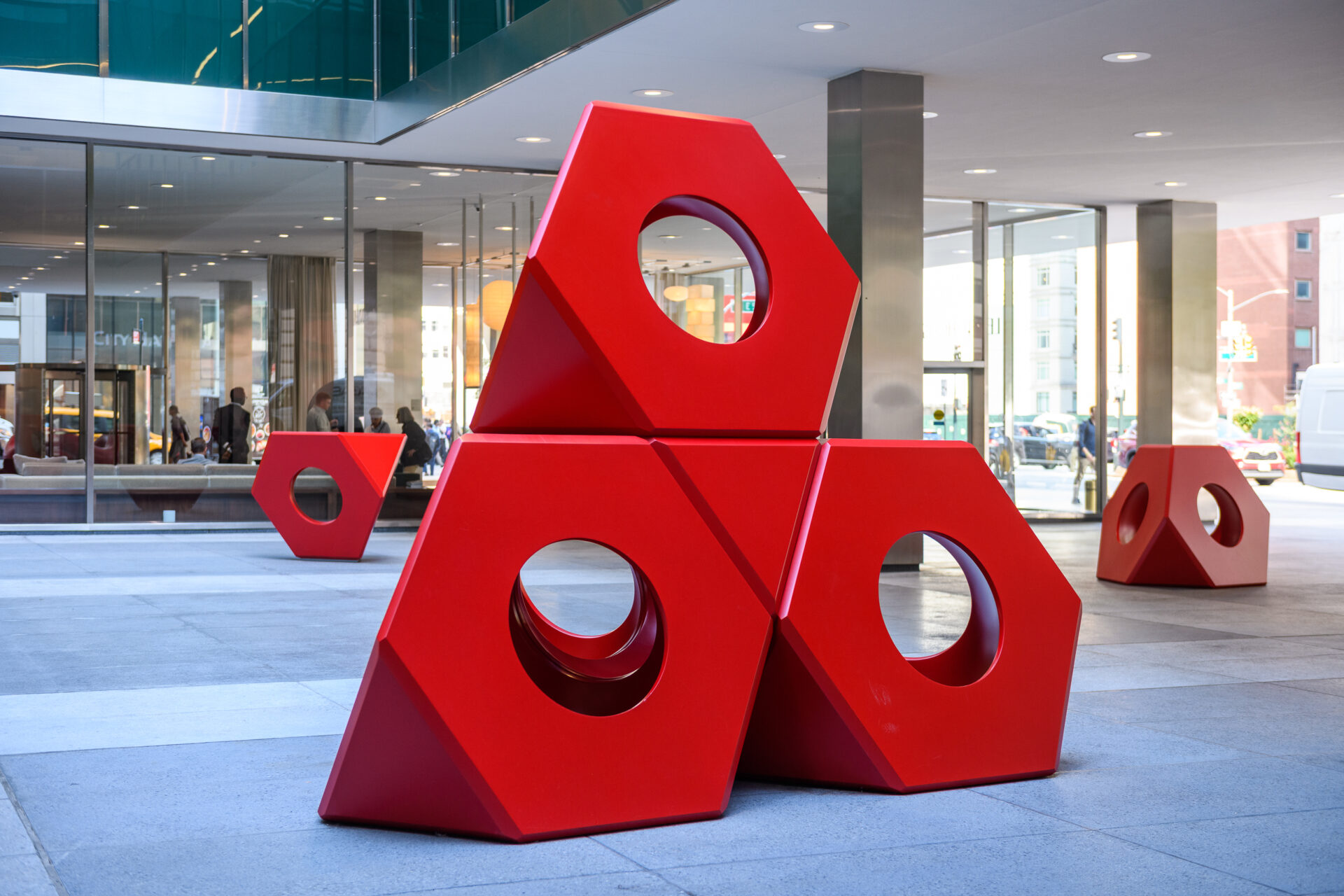
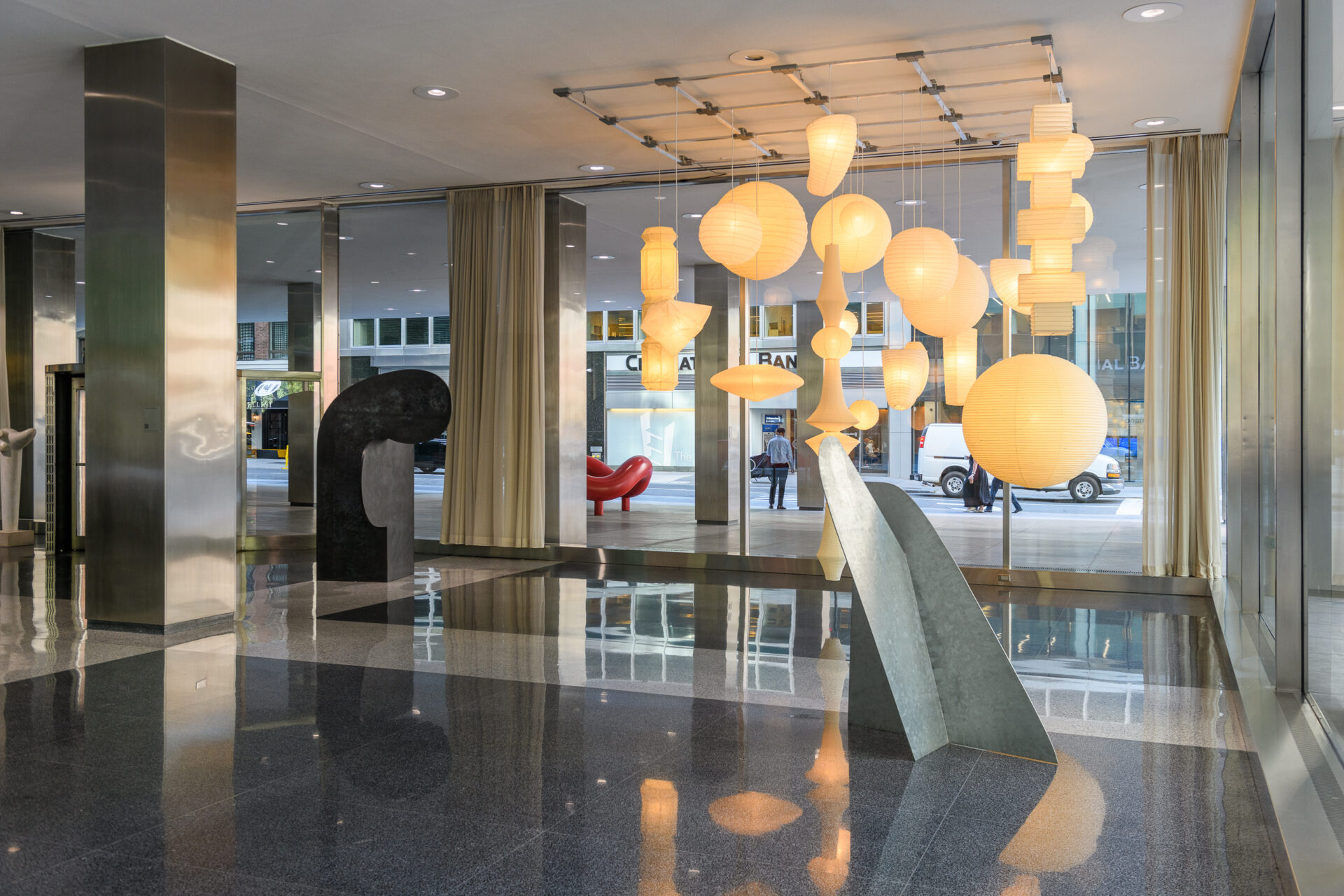
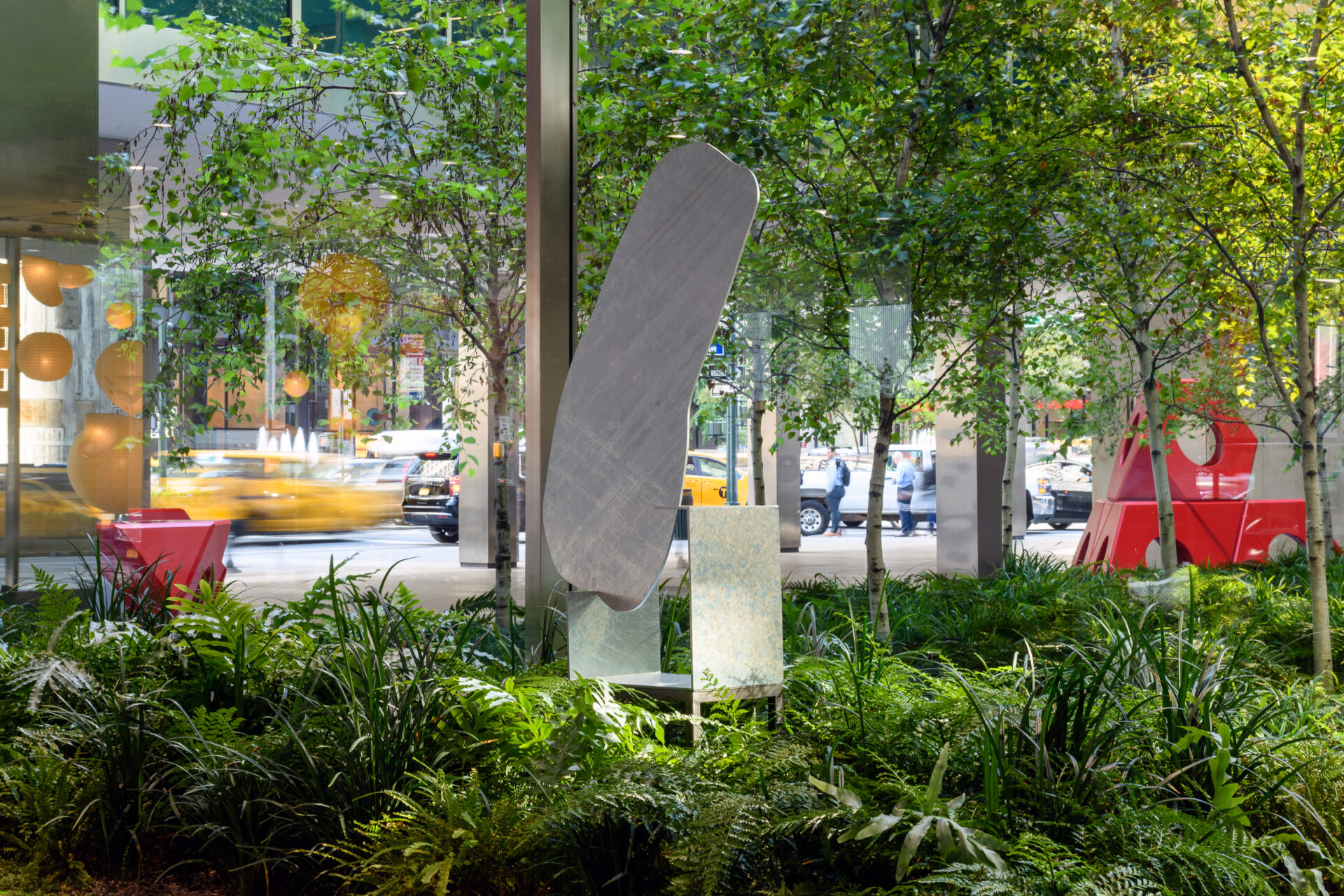
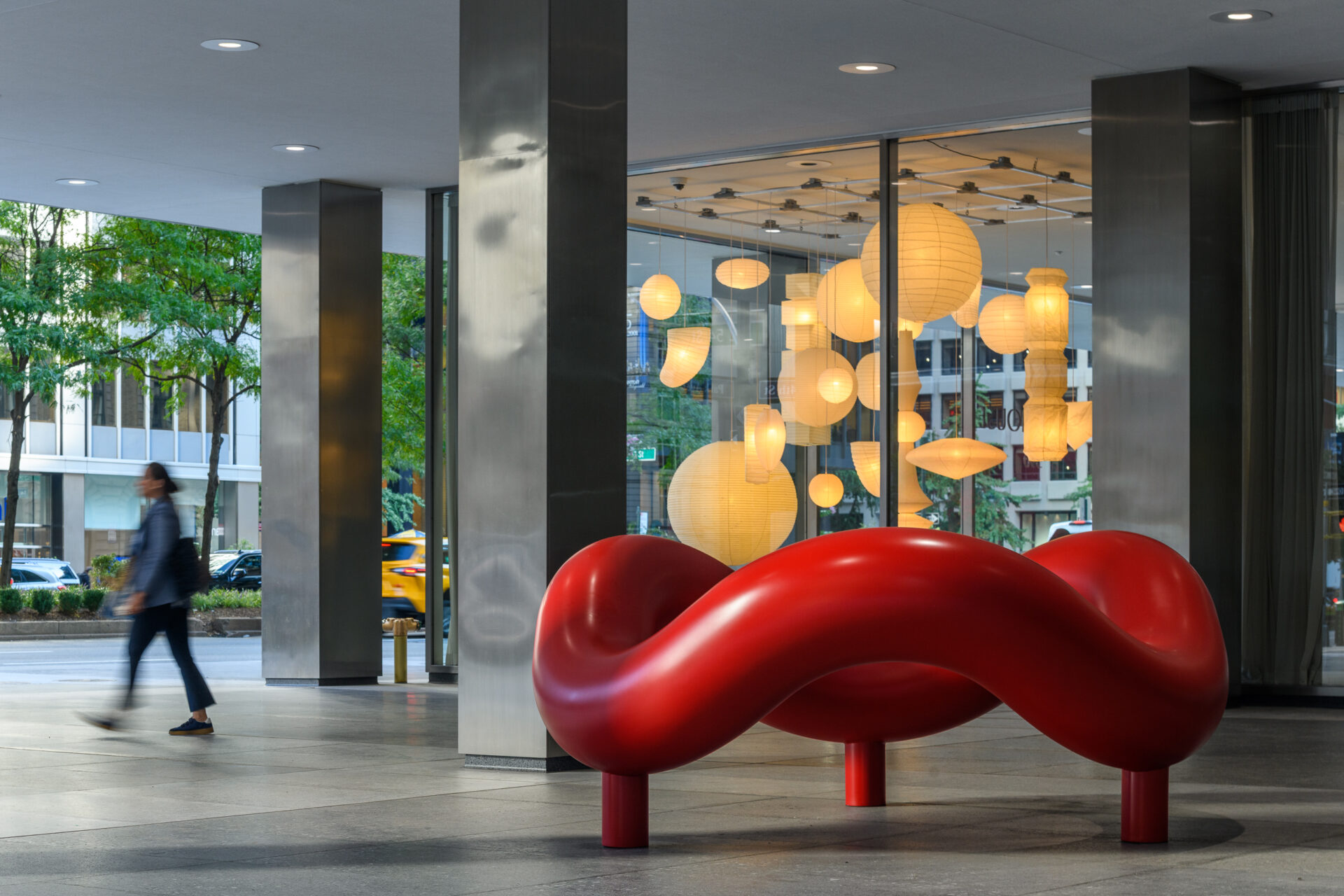
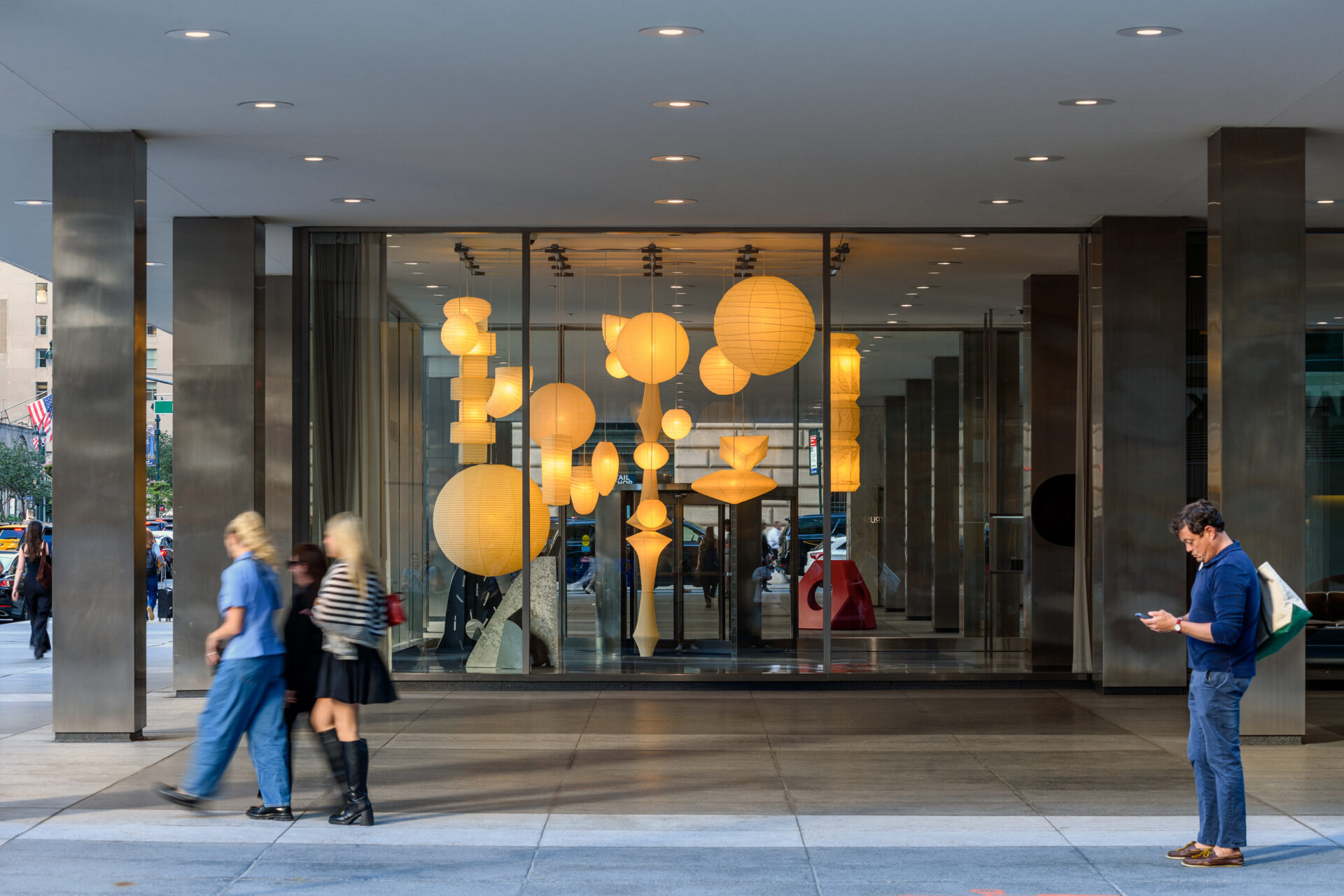
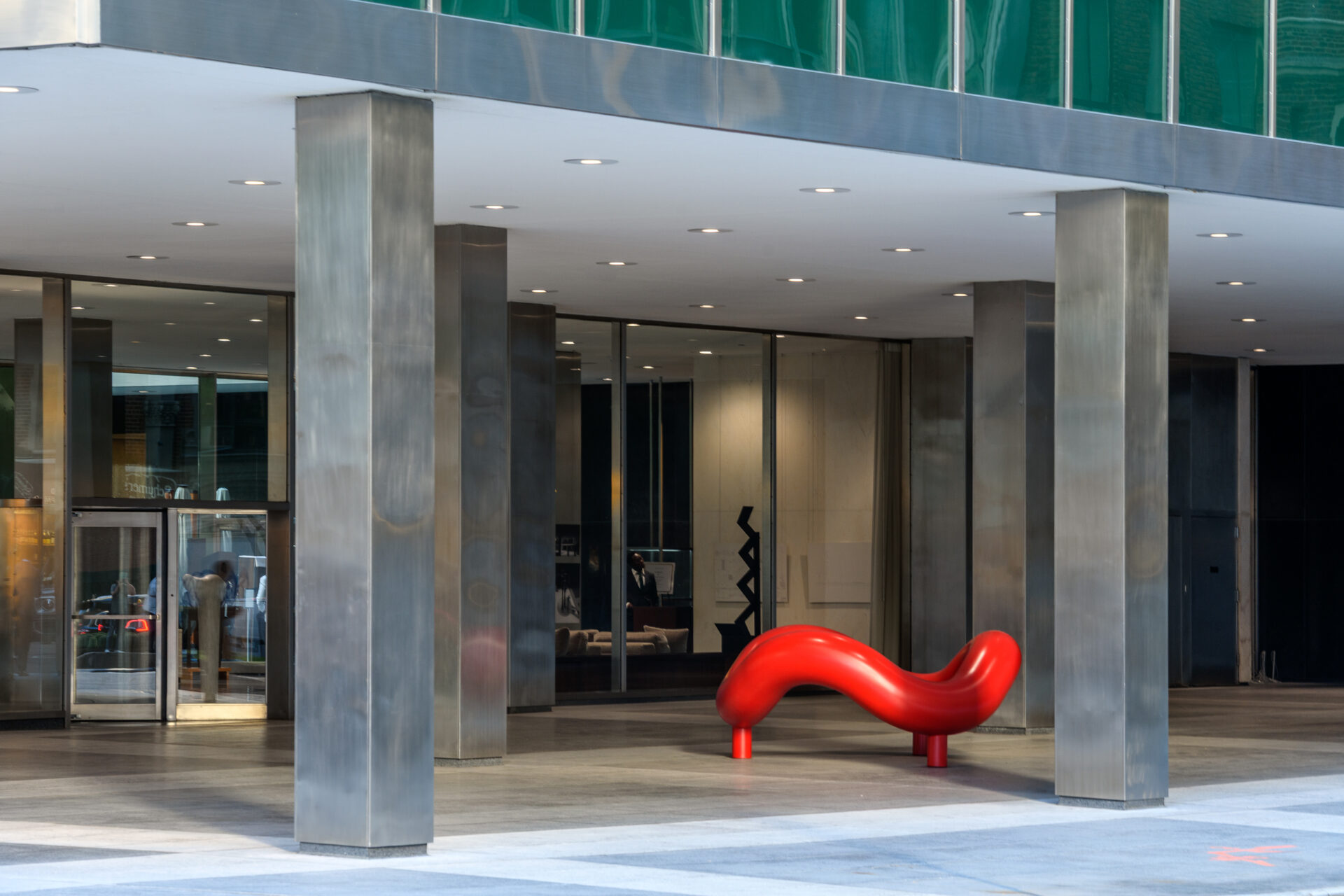
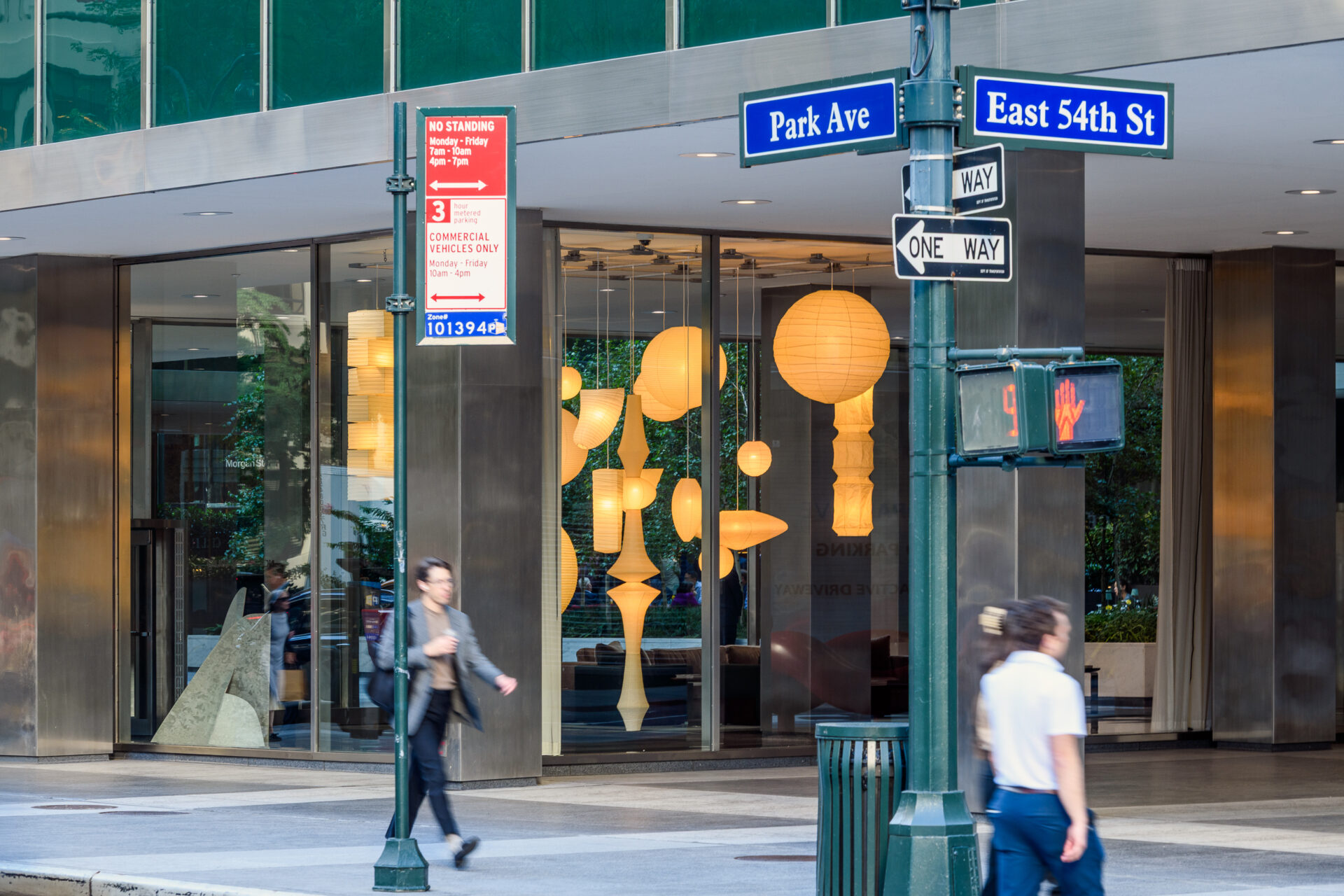
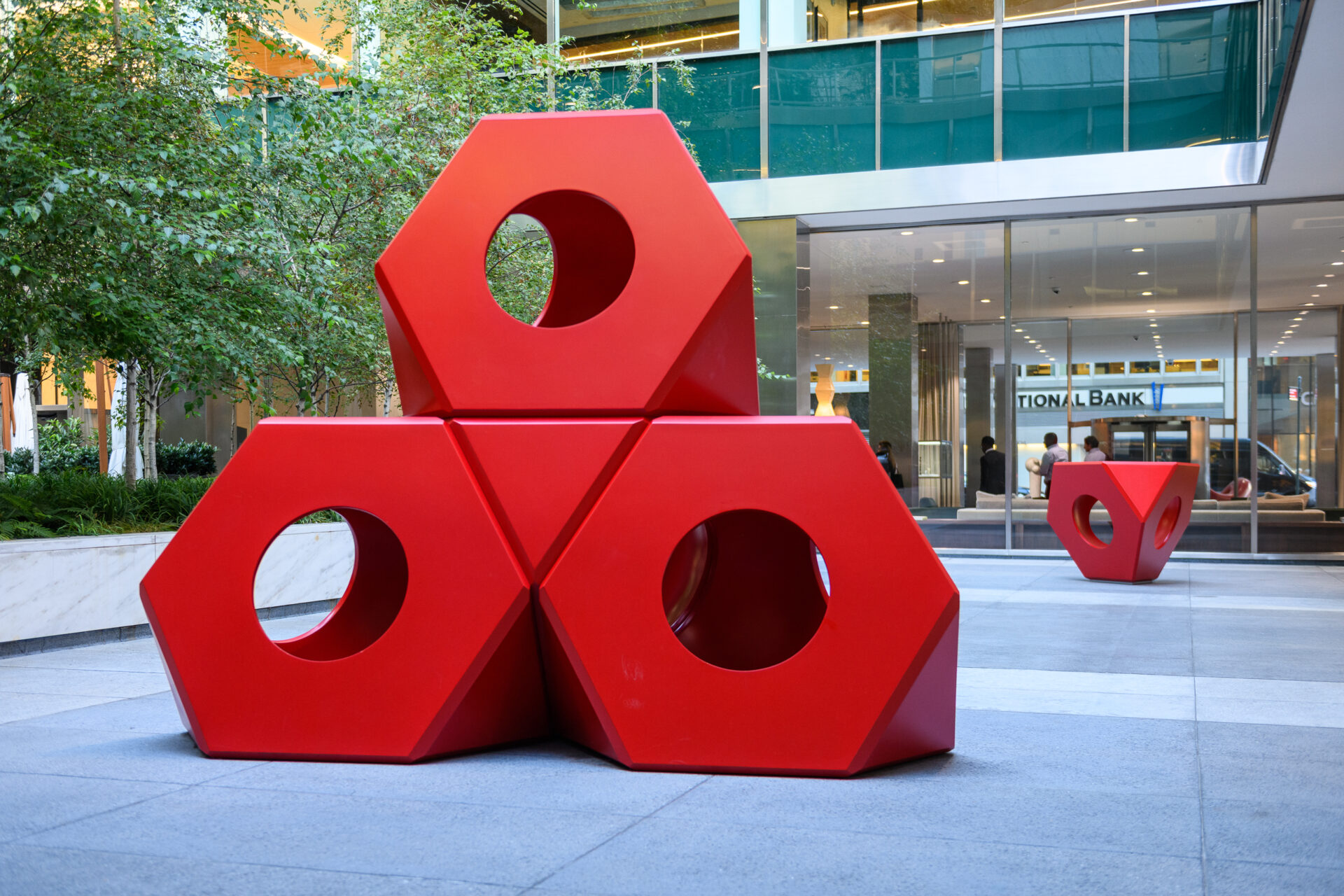
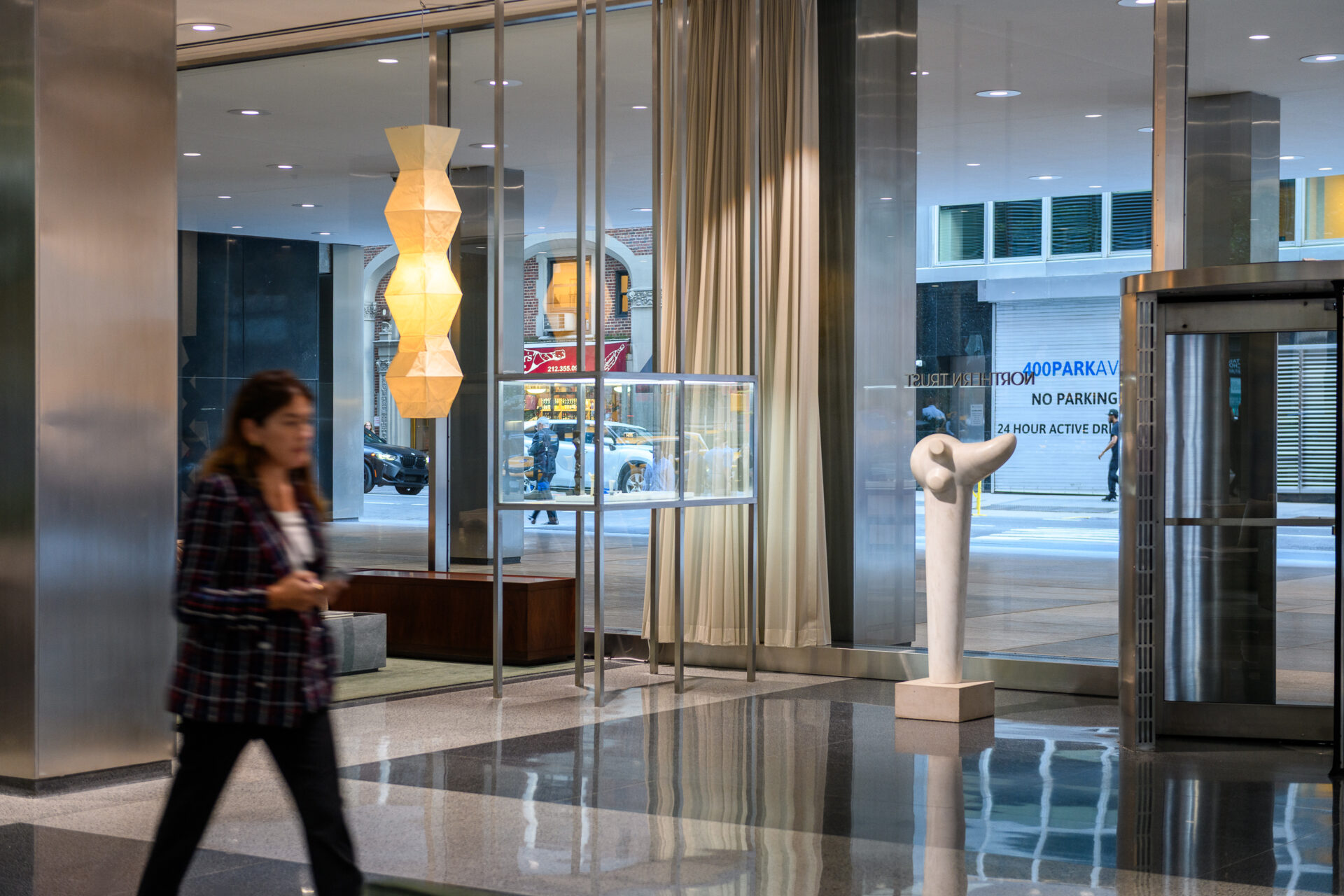
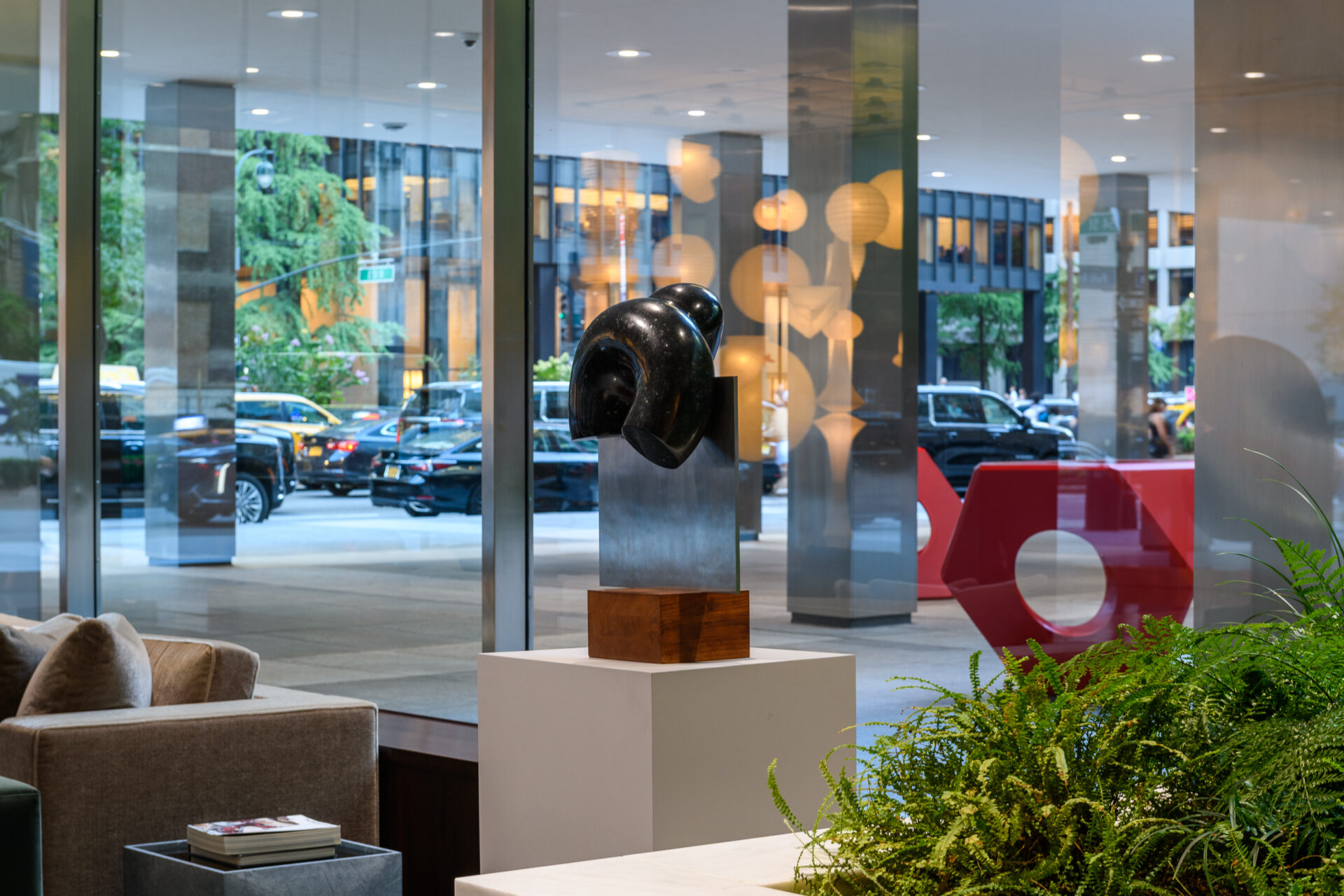
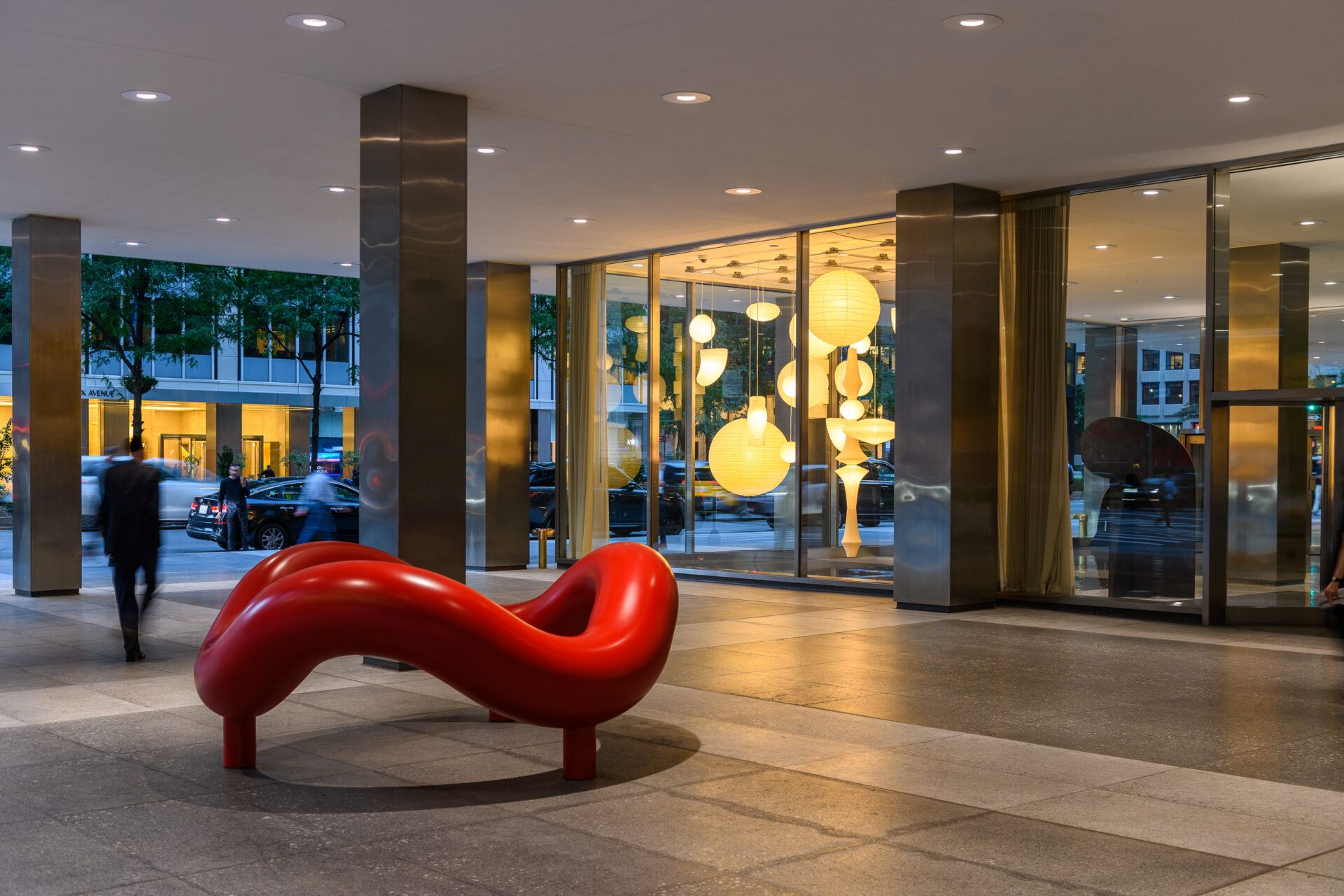
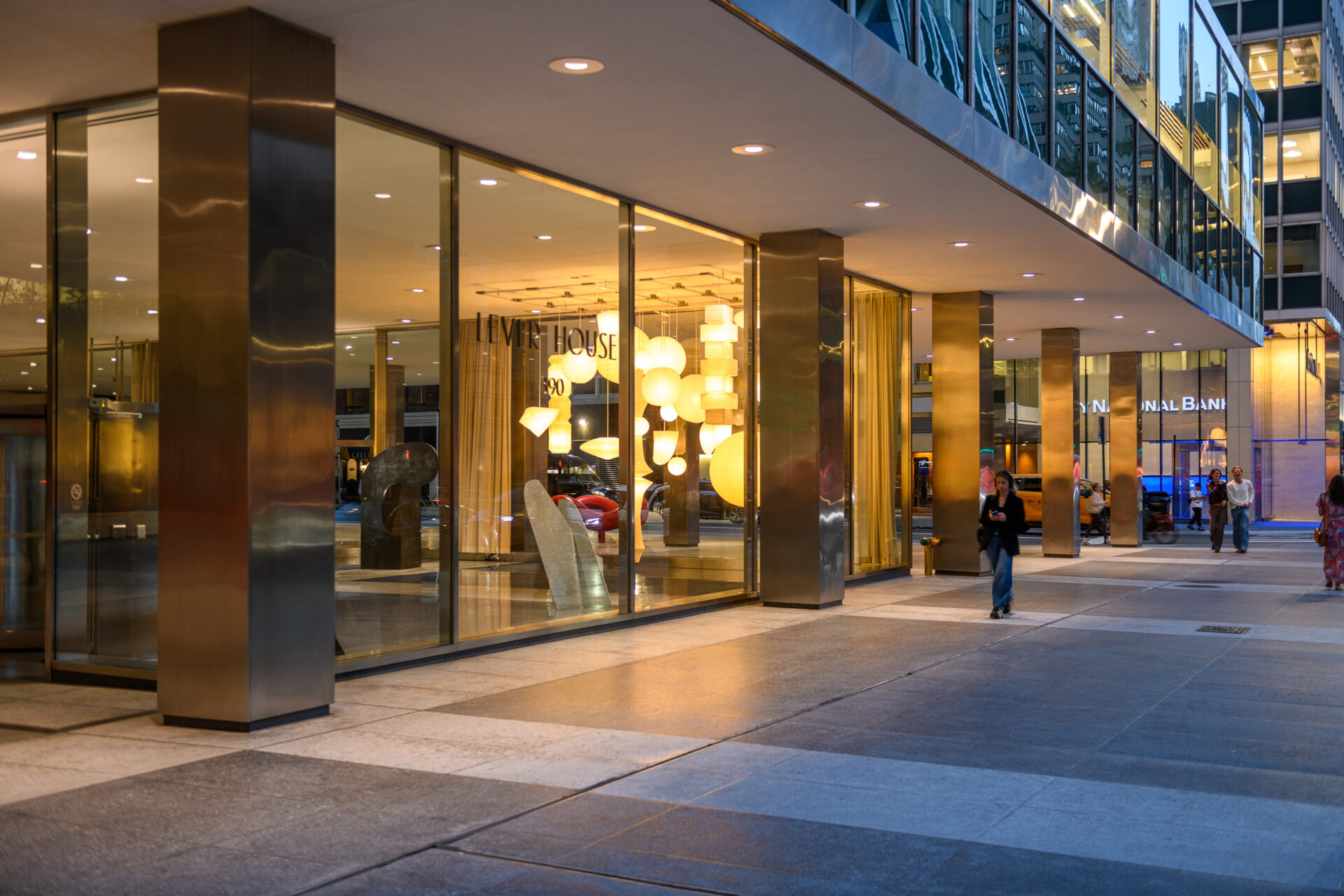
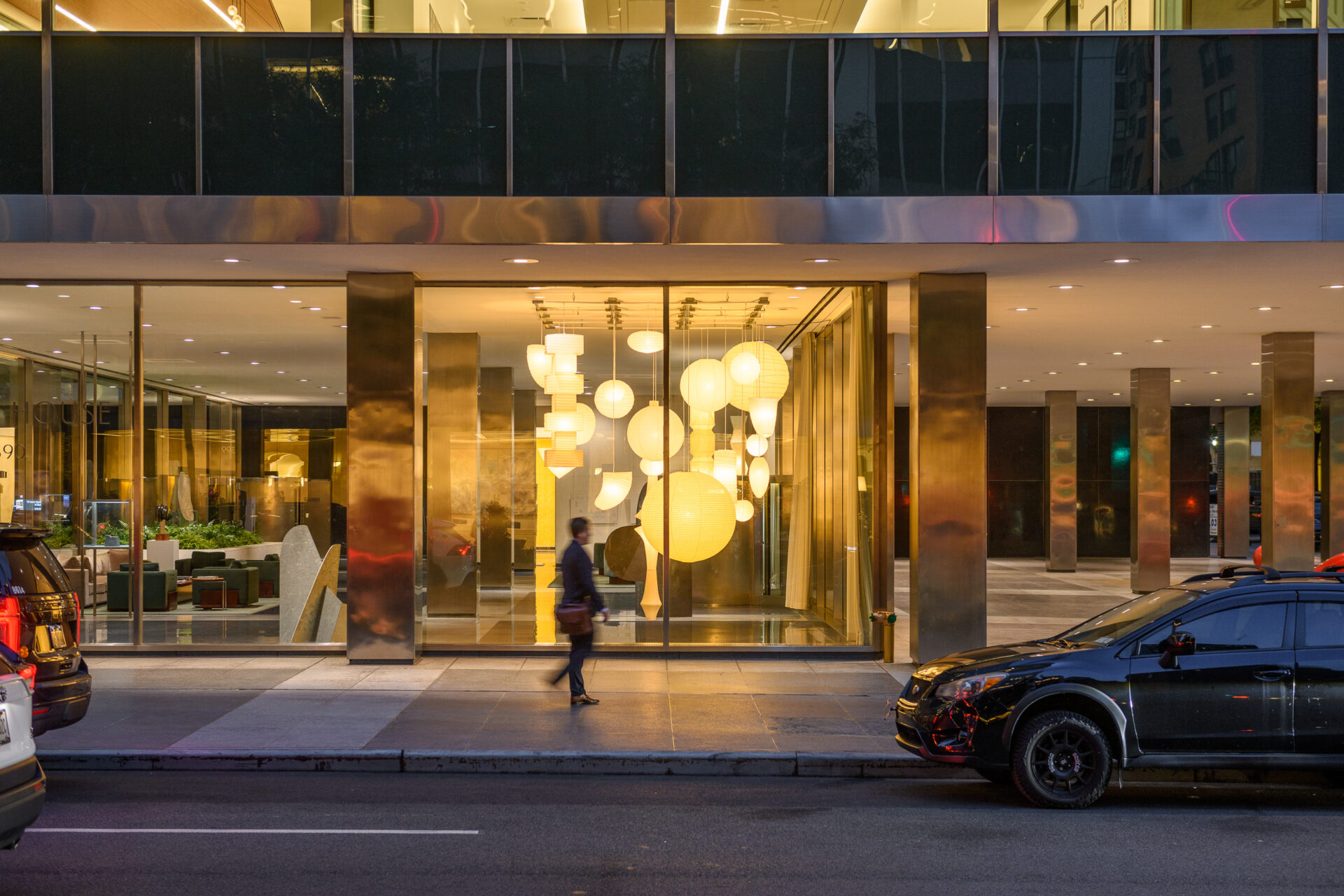
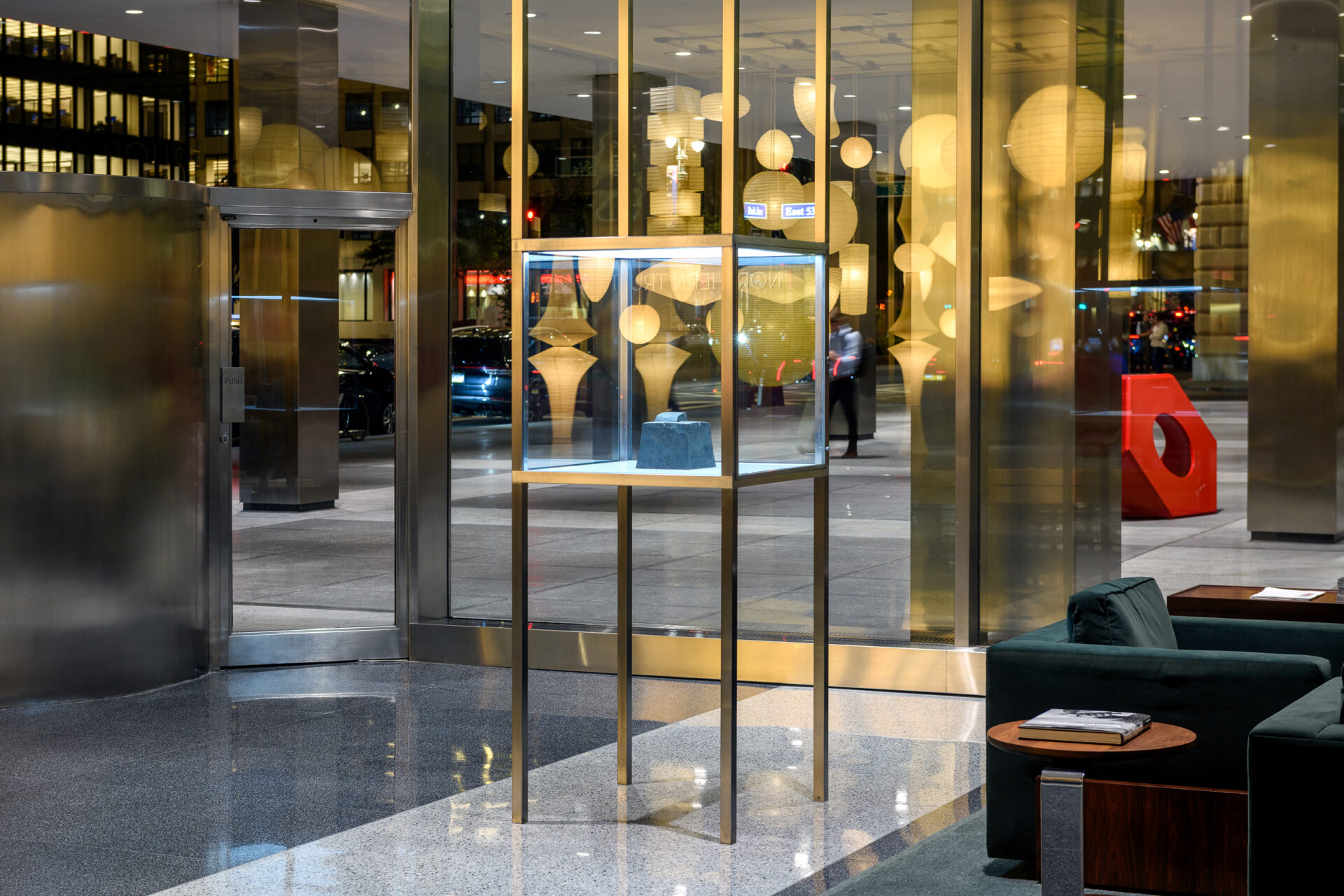
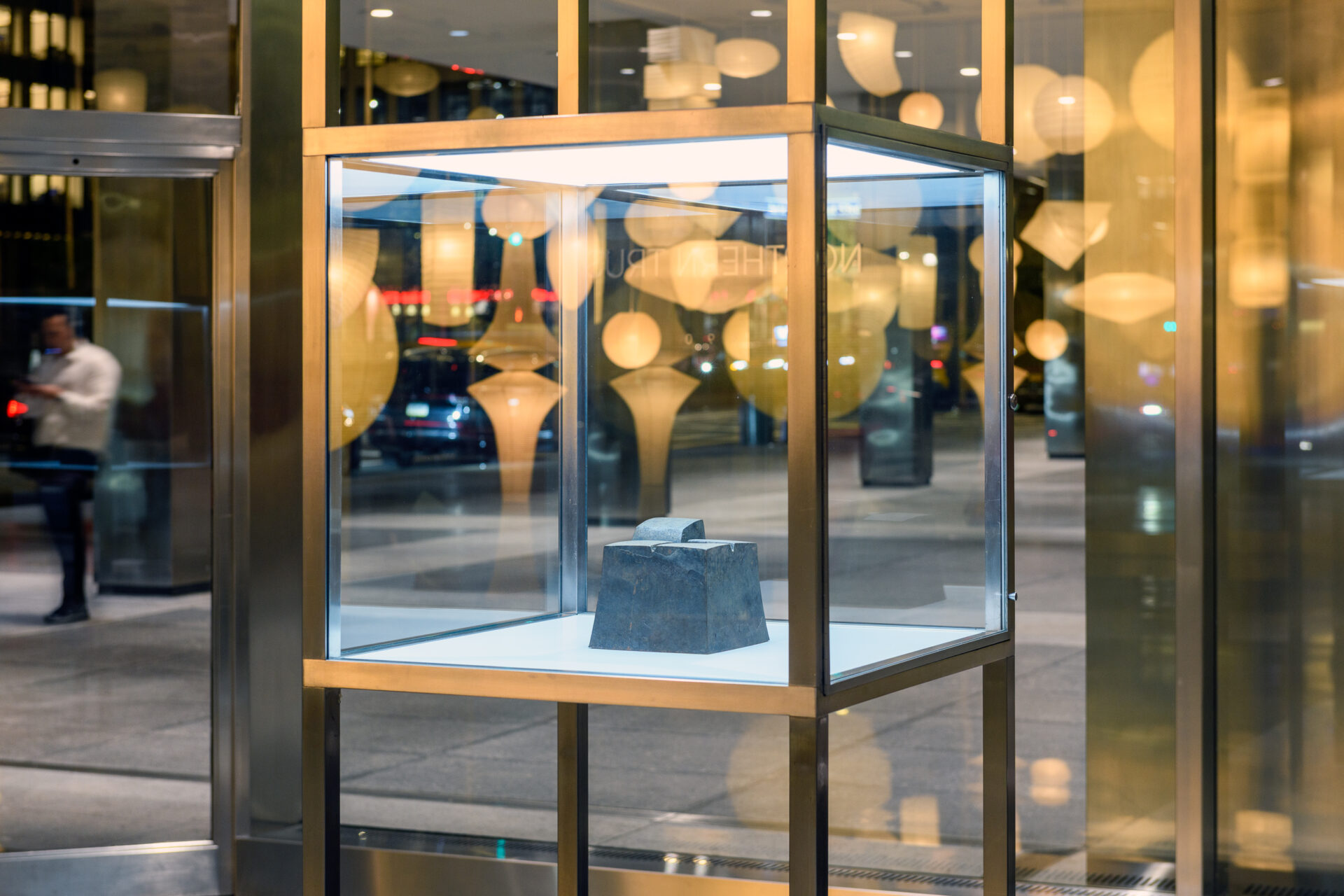
Installation view, Isamu Noguchi at Lever House, Lever House, New York, 2026. Photo: Timothy Schenck. © The Isamu Noguchi Foundation and Garden Museum, New York / Artists Rights Society (ARS)
PREVIOUS ART INSTALLATIONS
Claes Oldenburg & Coosje van Bruggen at Lever House
November 2024 – August 2026
Courtesy of the Estate of Claes Oldenburg & Coosje van Bruggen and Paula Cooper Gallery, New York
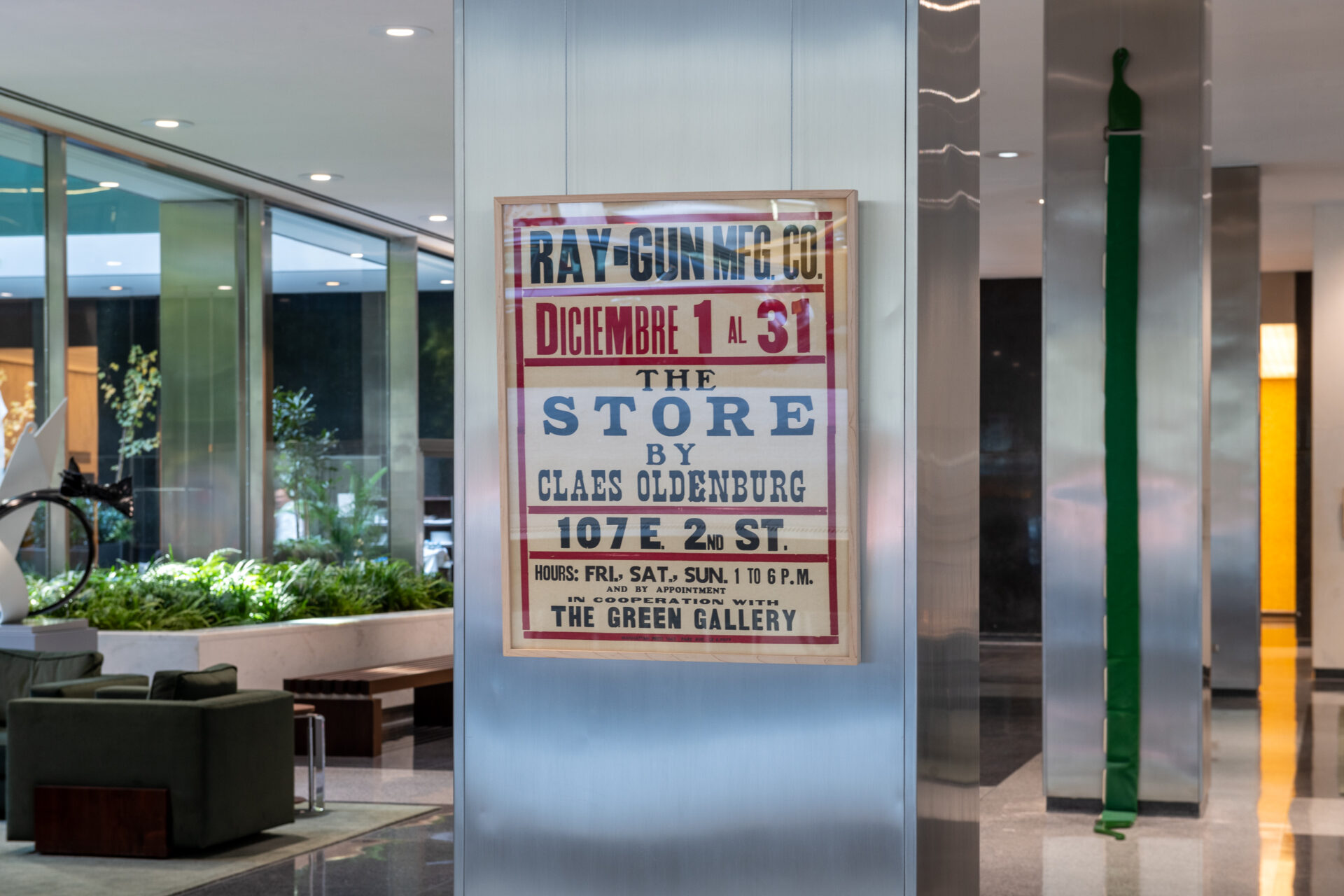
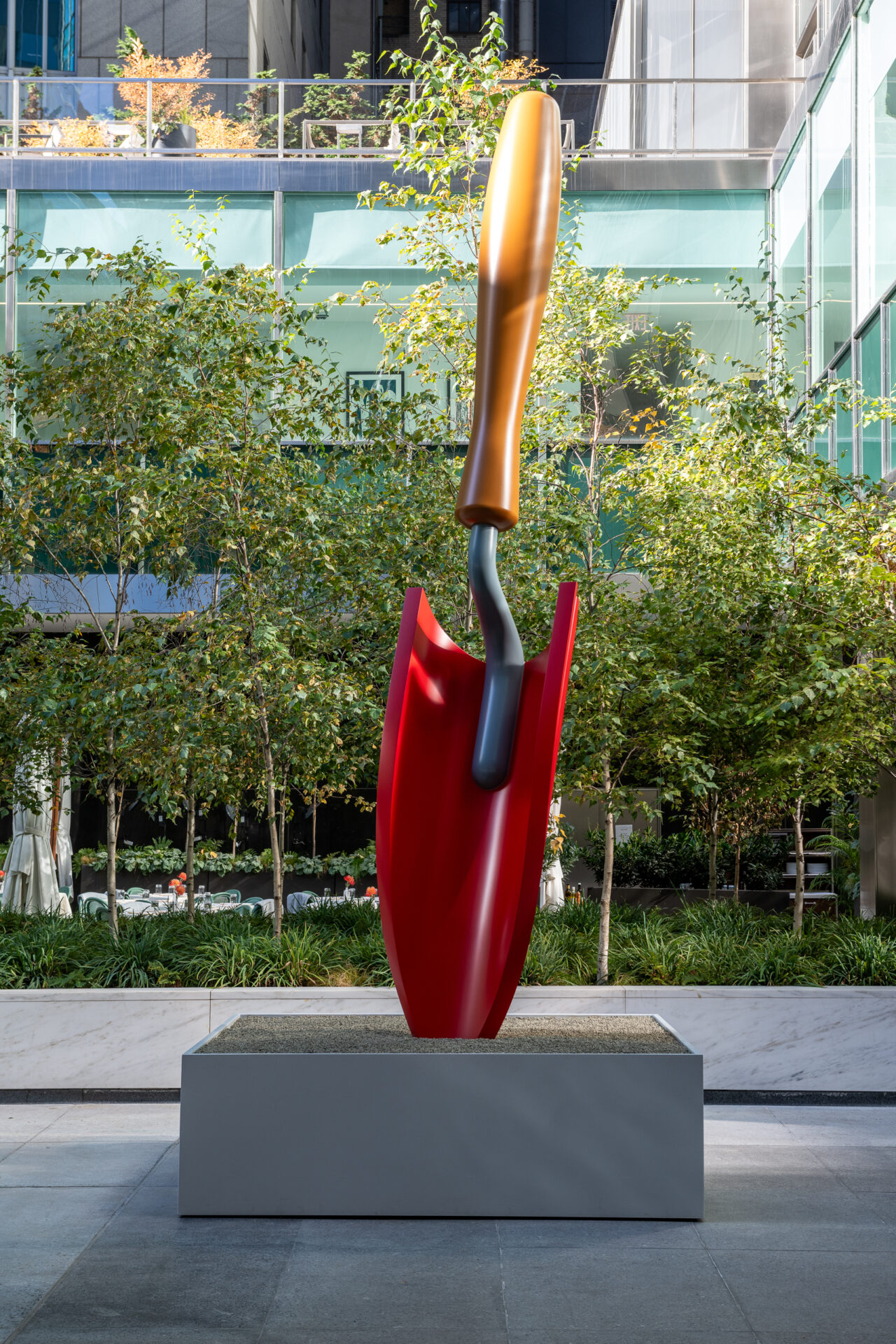
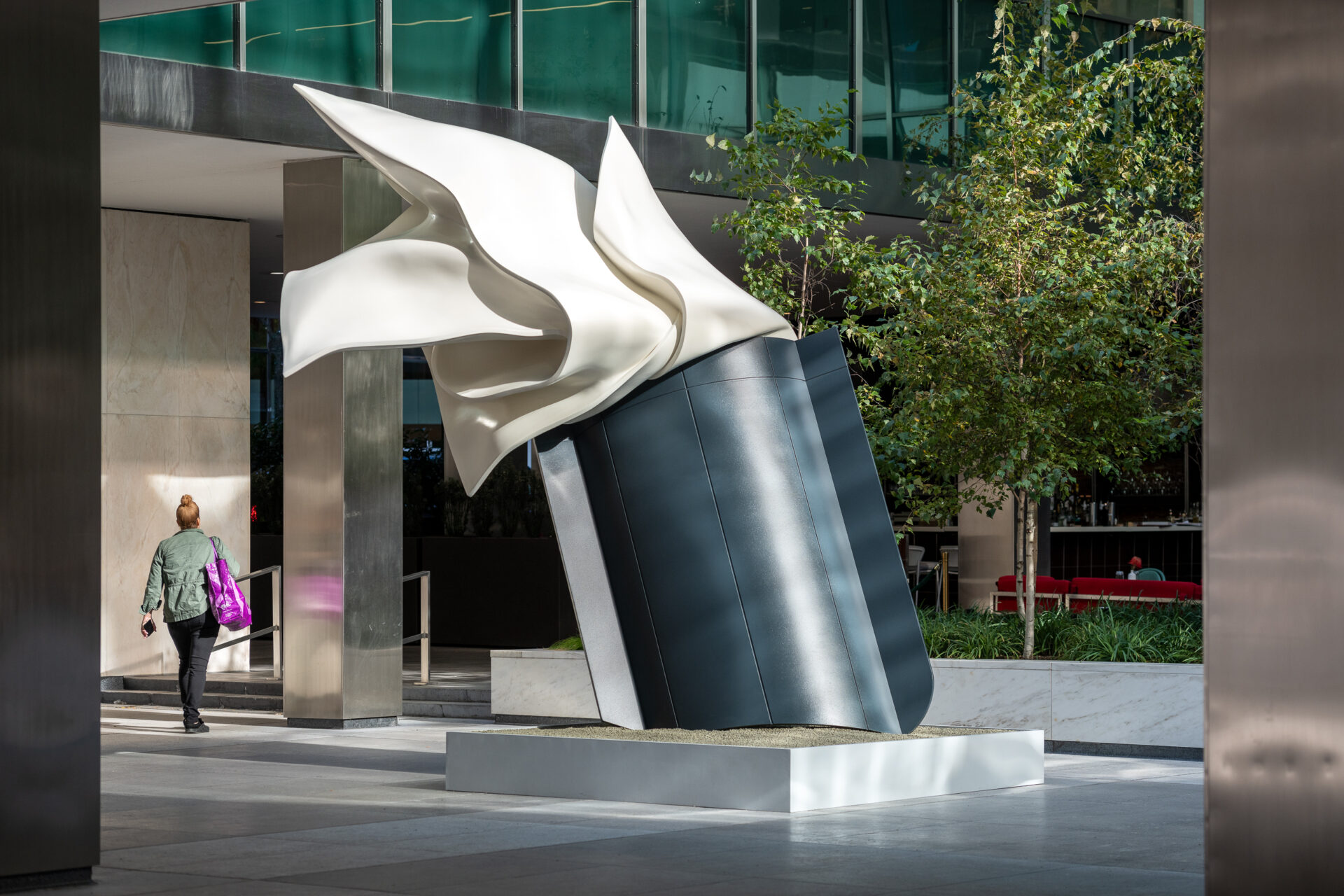
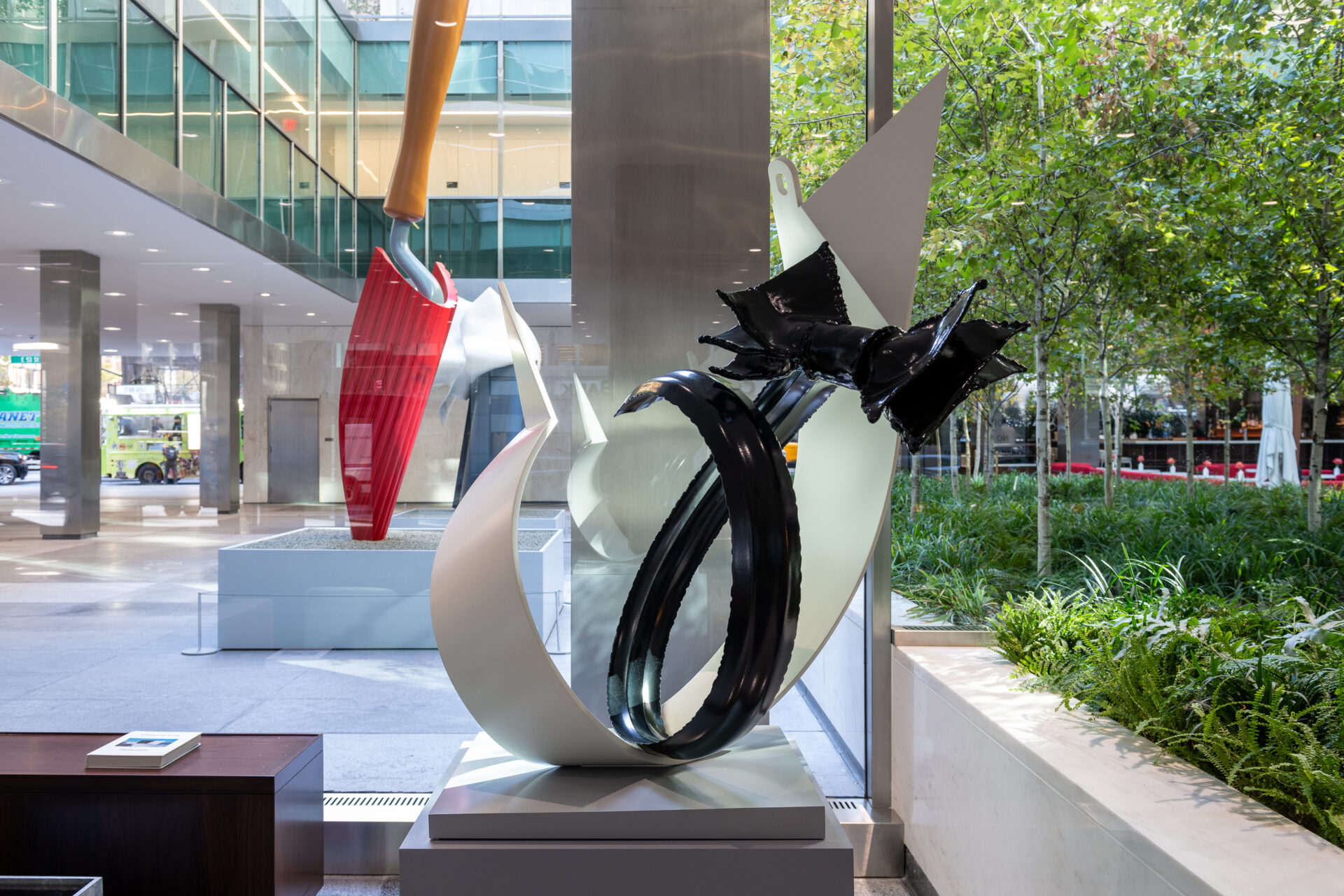
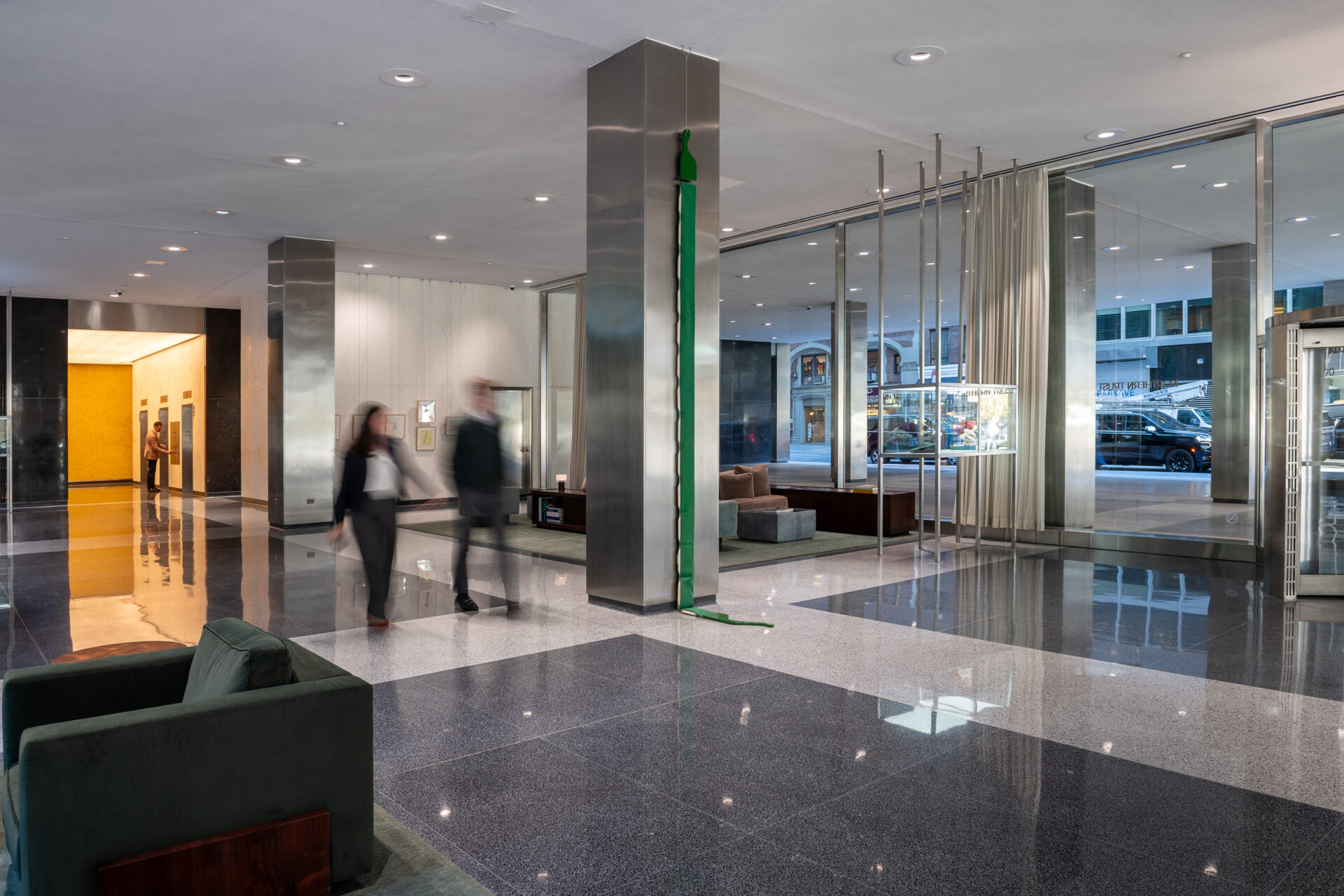
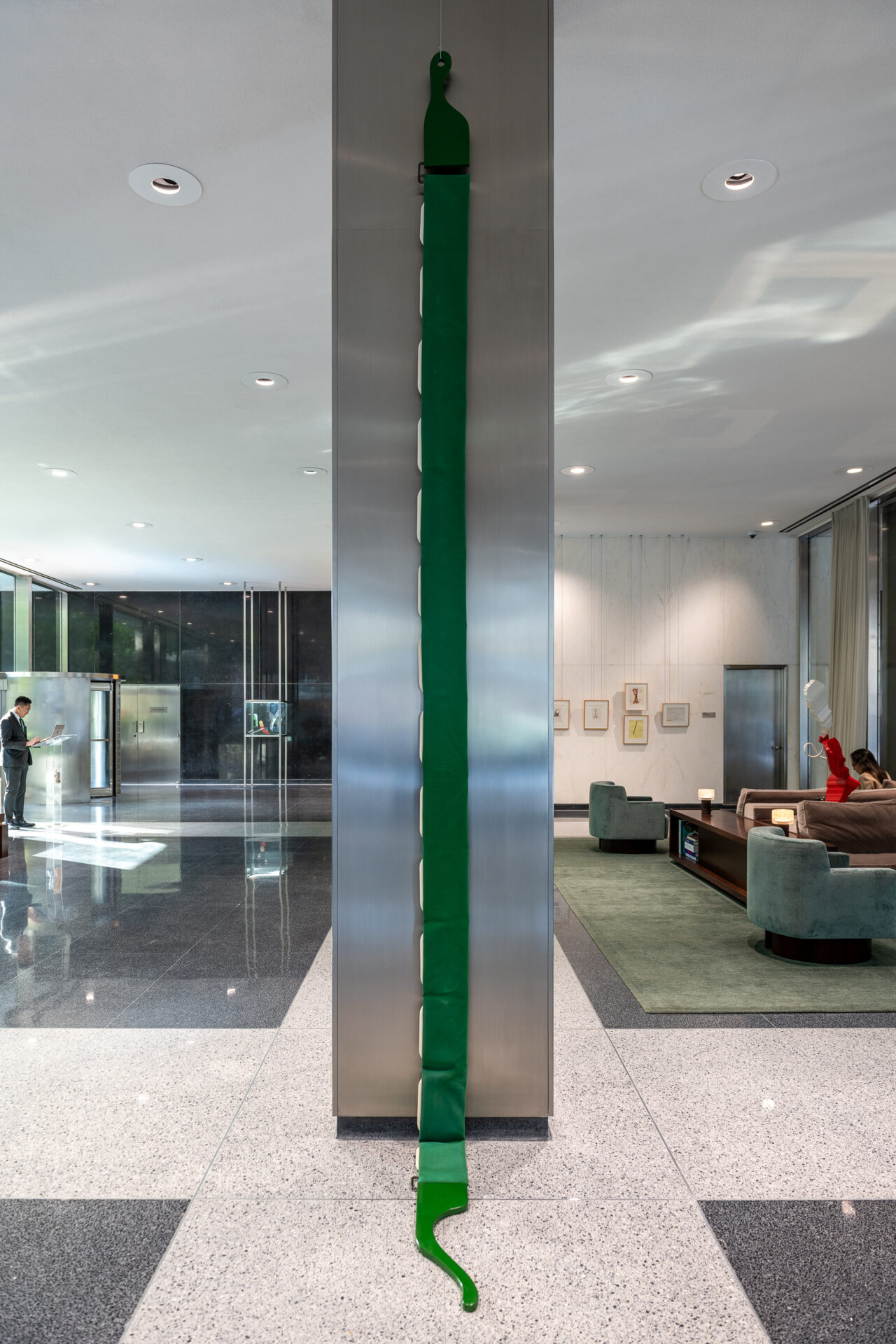
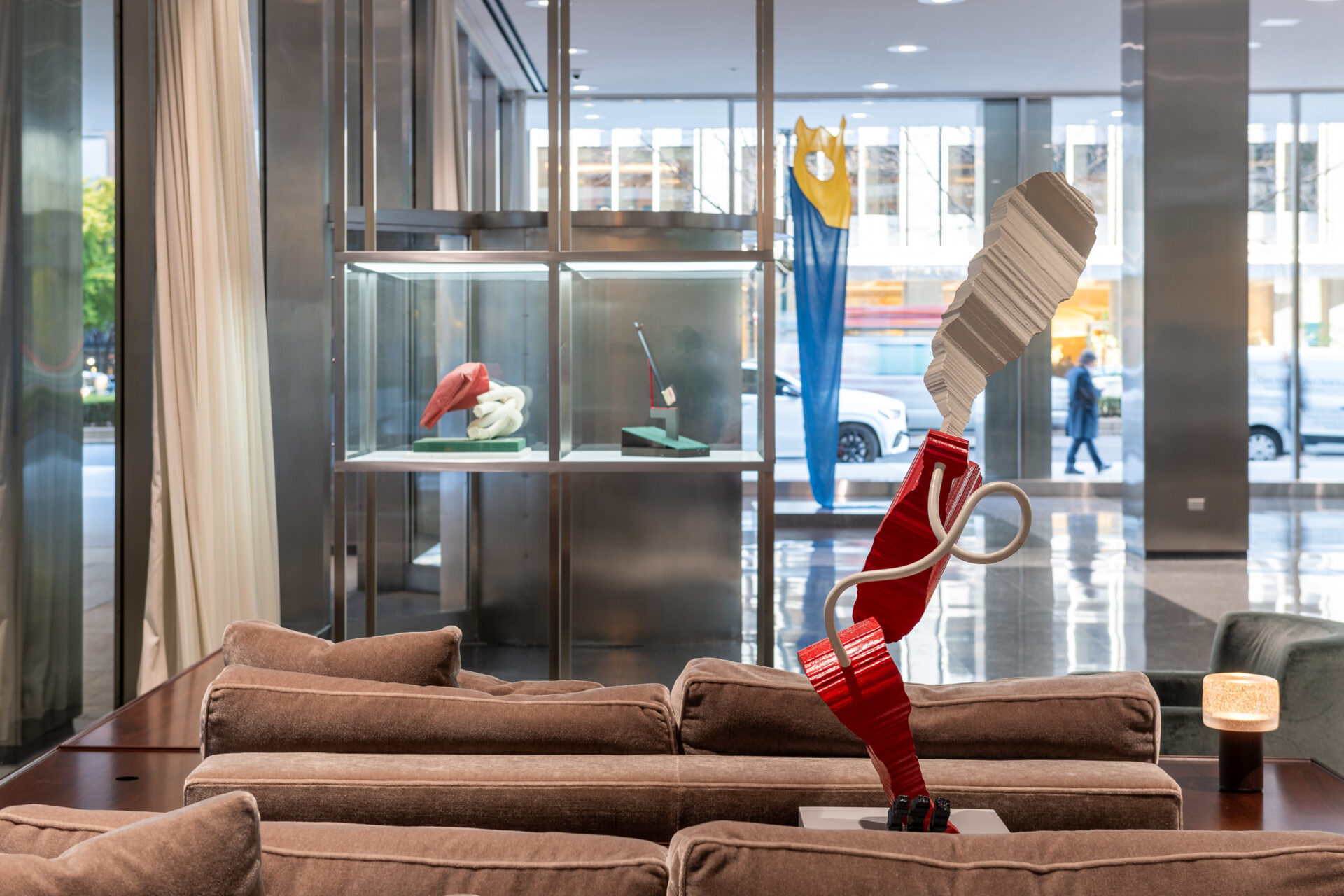
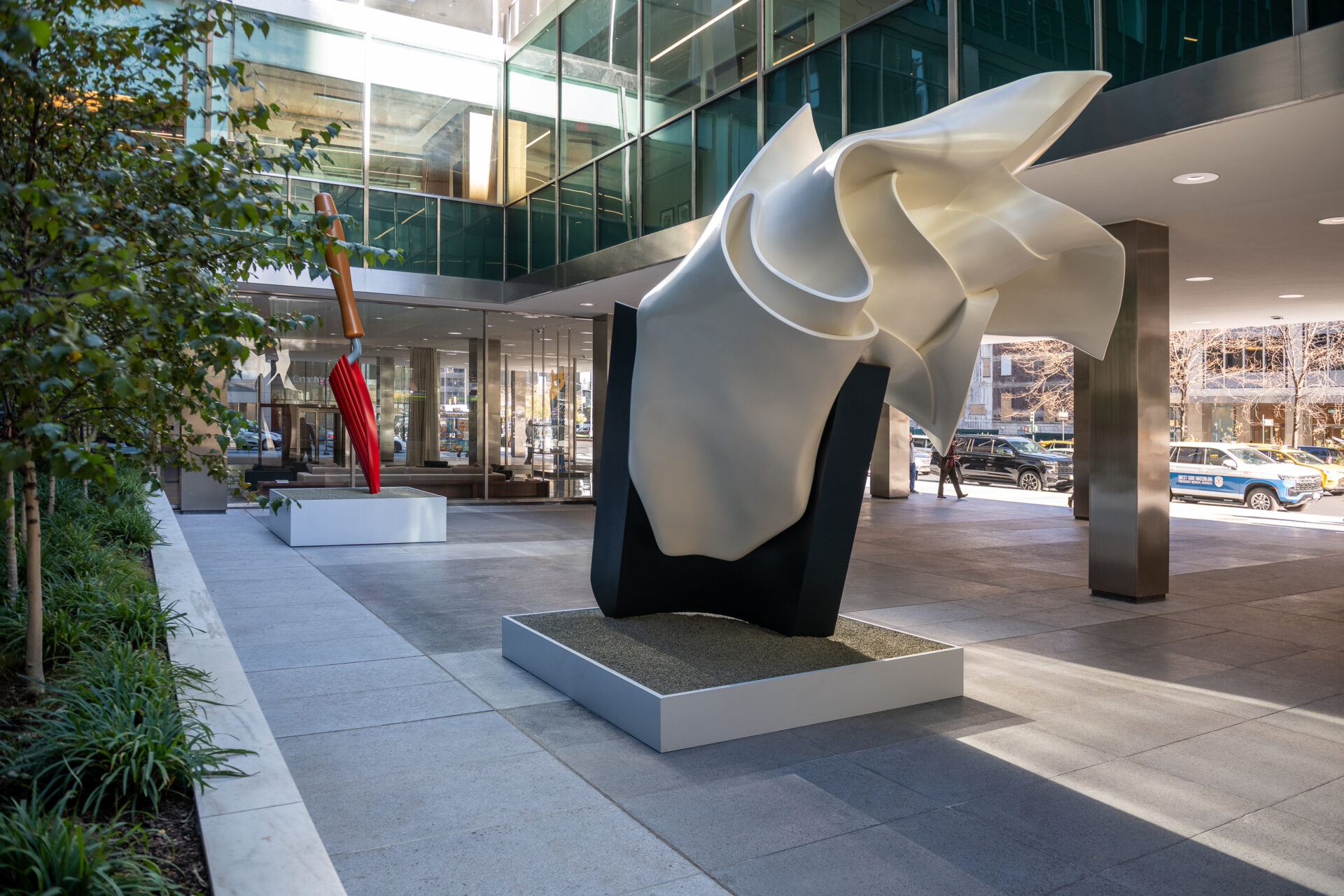
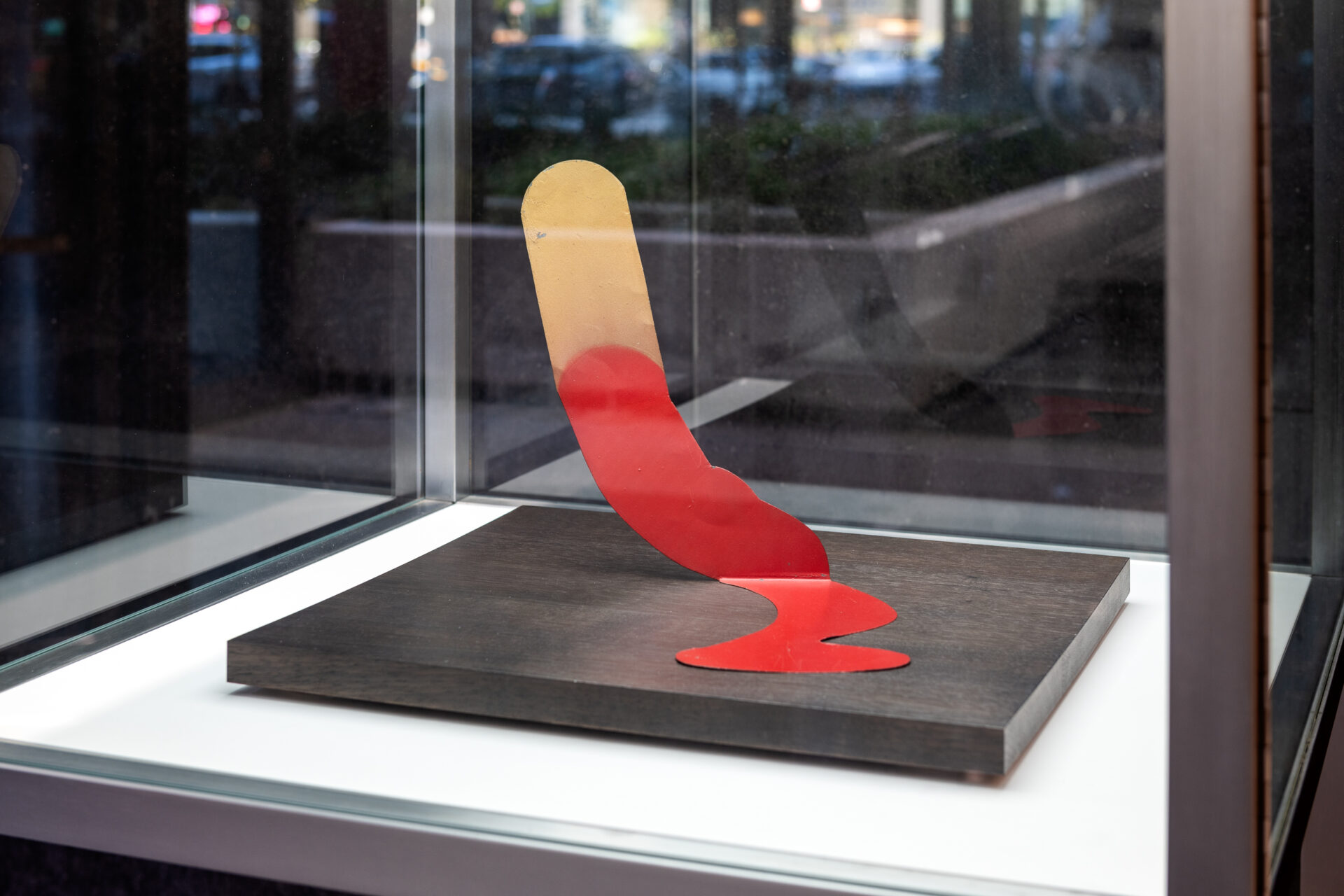
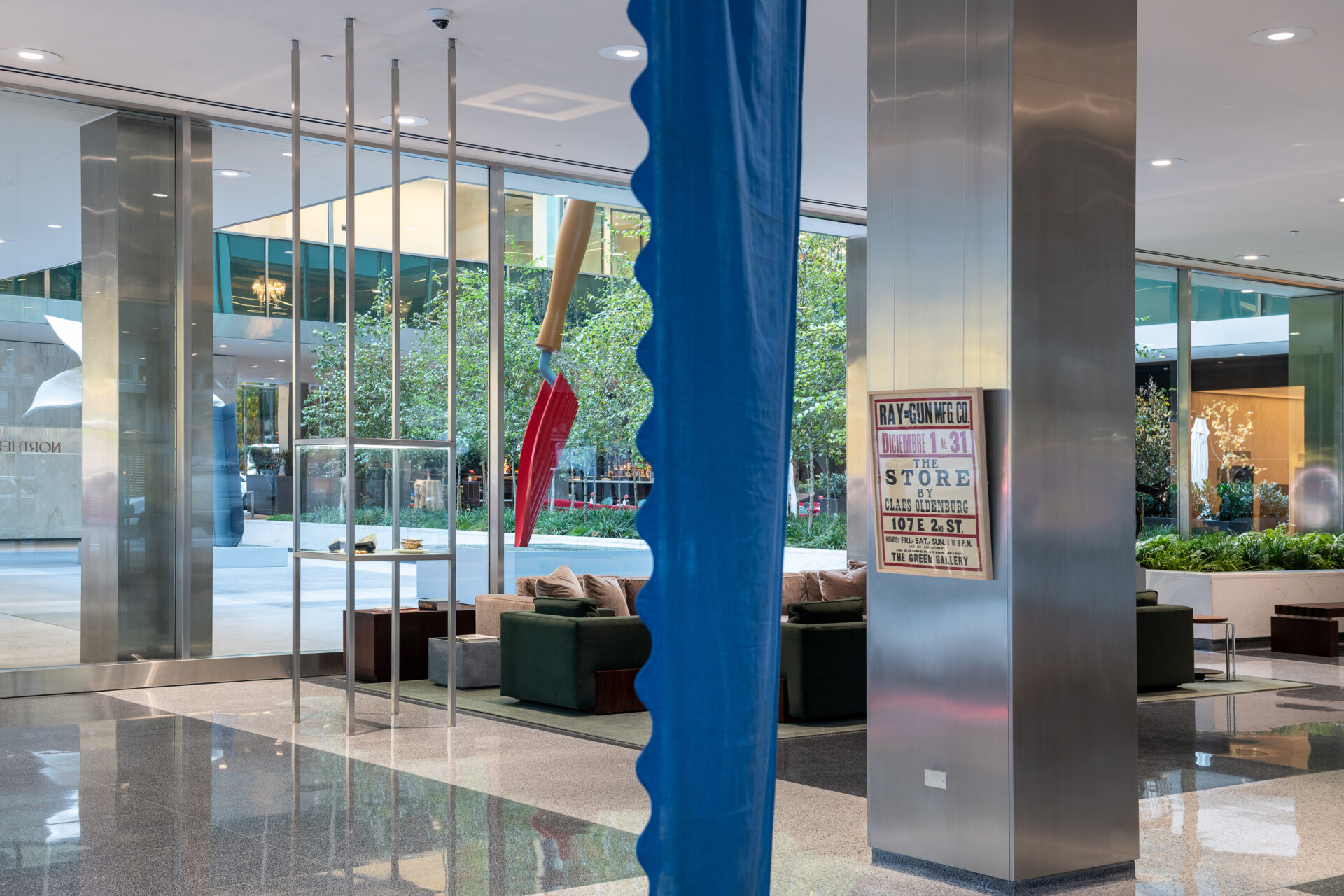
BGRE and WatermanClark, in conjunction with Paula Cooper Gallery, presented Claes Oldenburg & Coosje van Bruggen at Lever House from November 2024 – Summer 2026. The first significant presentation of the artists’ work since Oldenburg’s death in 2022, the exhibition featured important and career-spanning artworks installed throughout the landmark building and its outdoor spaces.
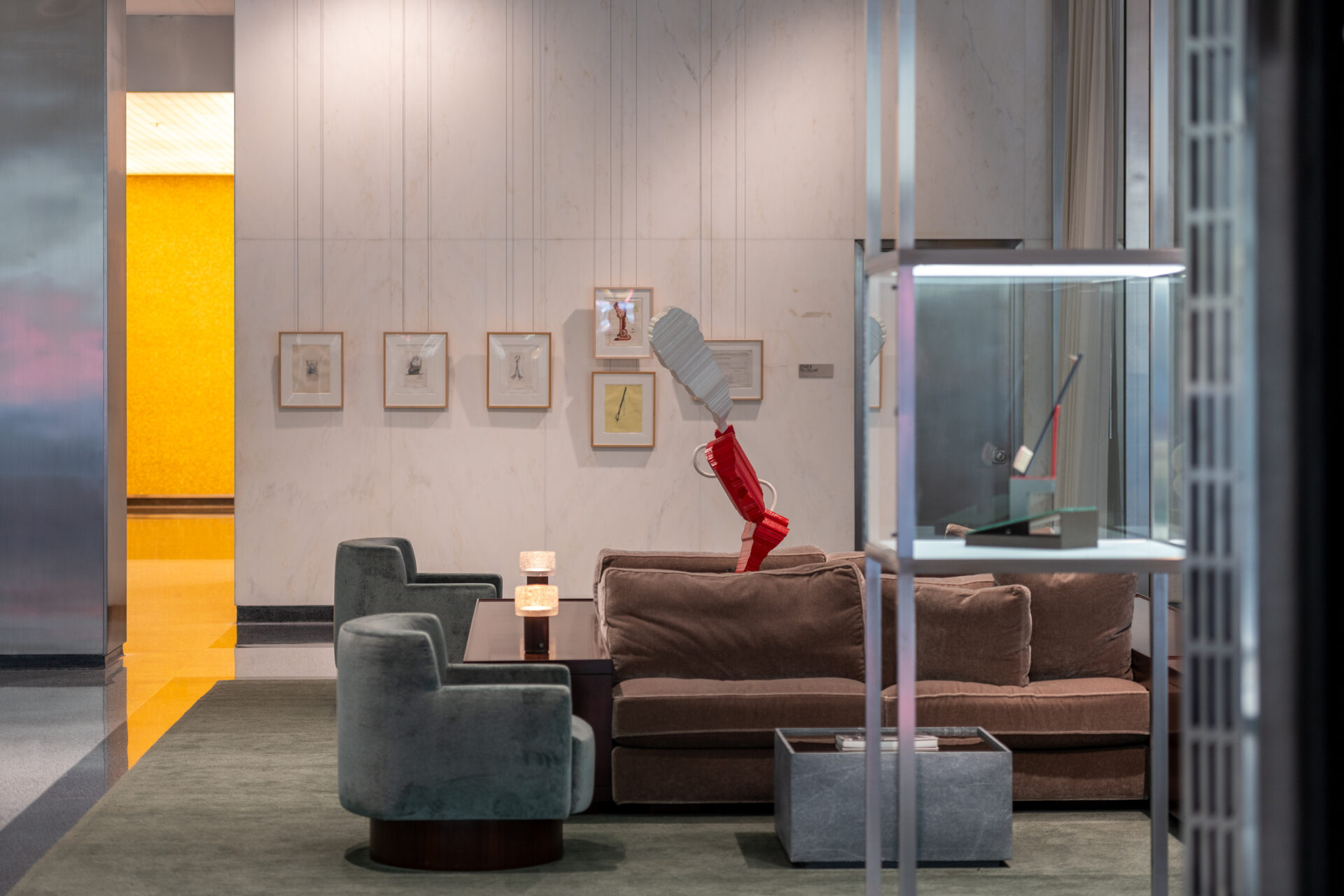
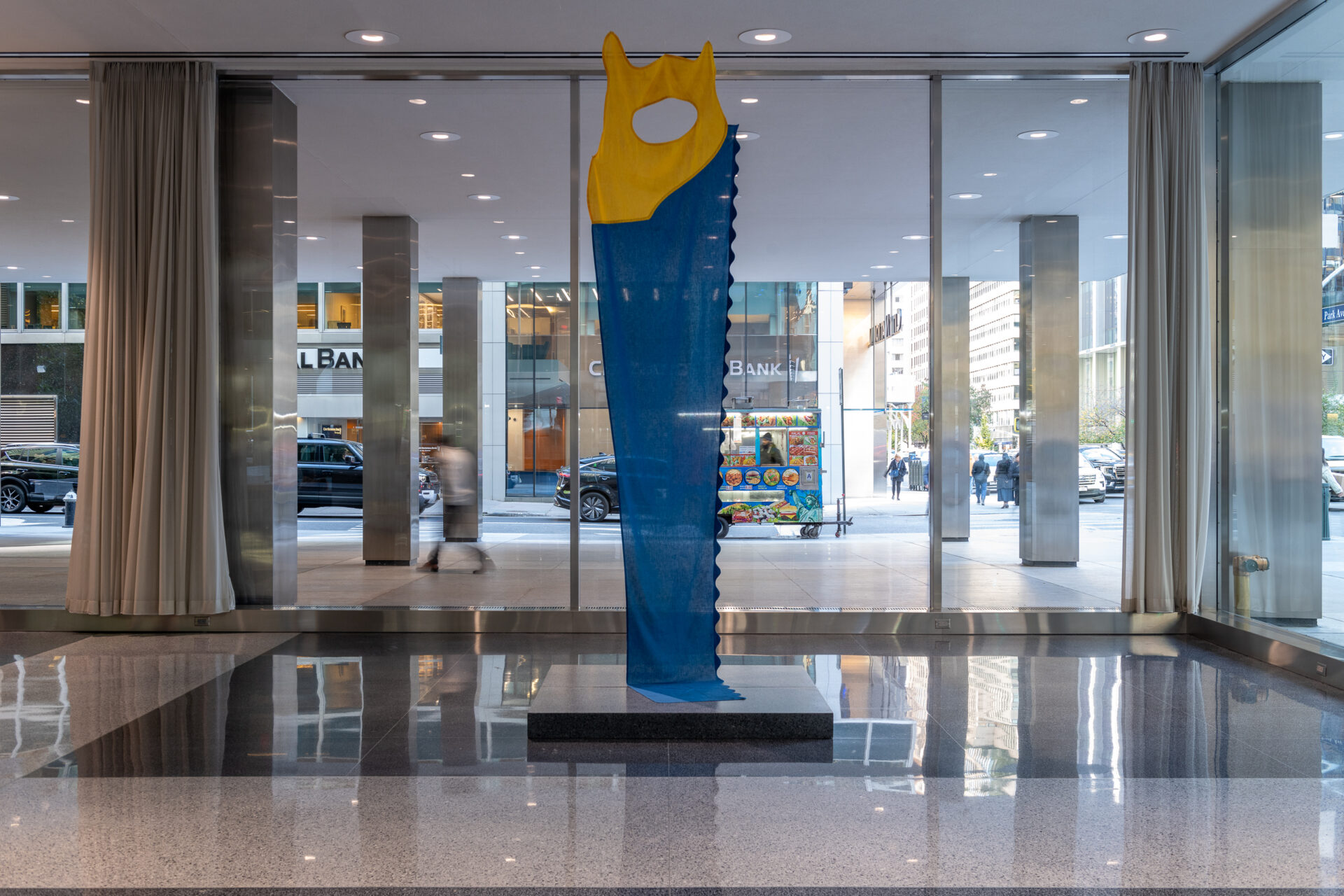
The works on view included two of the giant works for which Oldenburg and van Bruggen were so widely known, installed on the outdoor plazas and highly visible from Park Avenue, as well as plaster sculptures first shown in the East Village in 1961, iconic fabric “soft” sculptures from the 1960s and 1970s, and drawings for proposed colossal monuments (such as a Good Humor bar to replace the Pan Am Building).
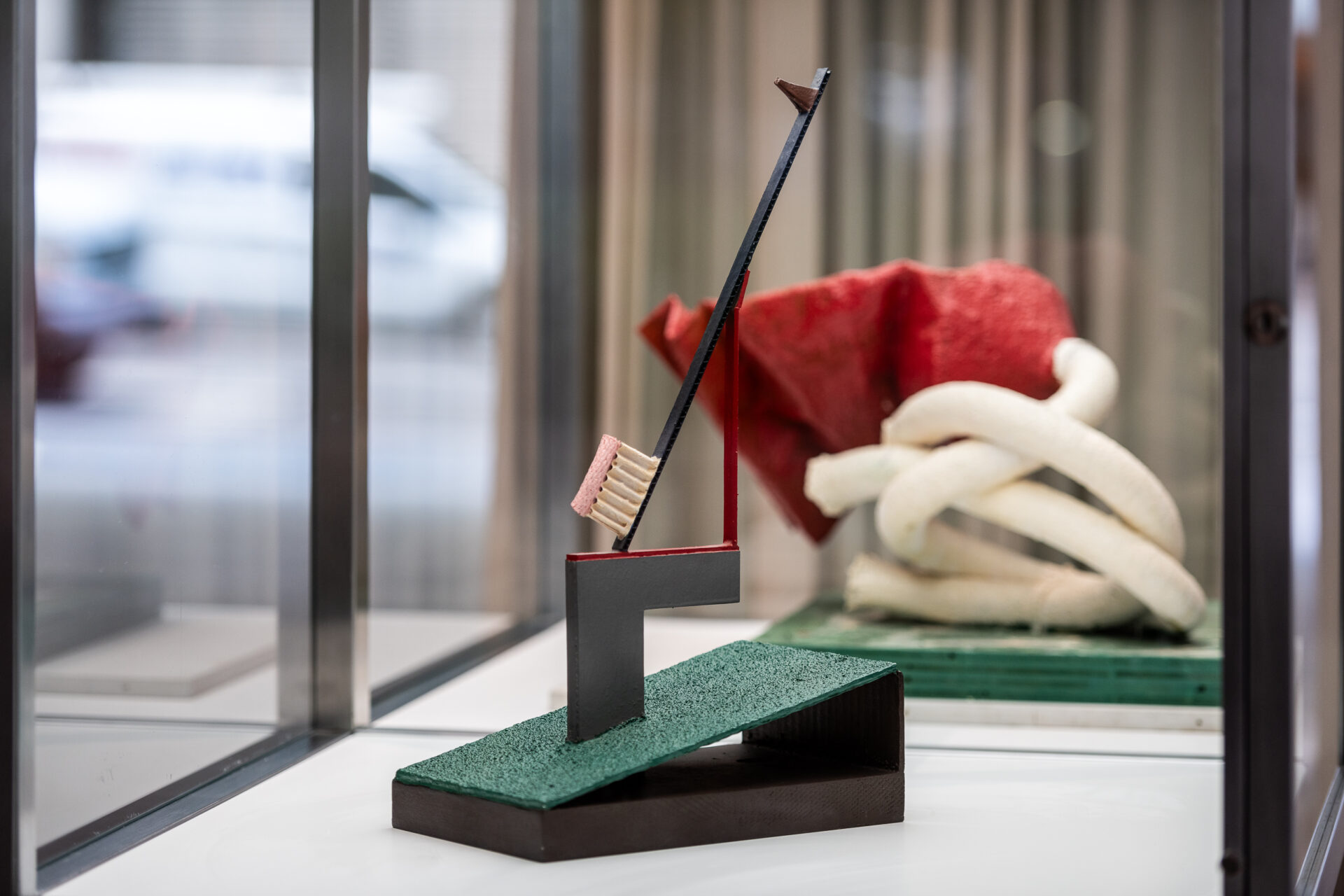
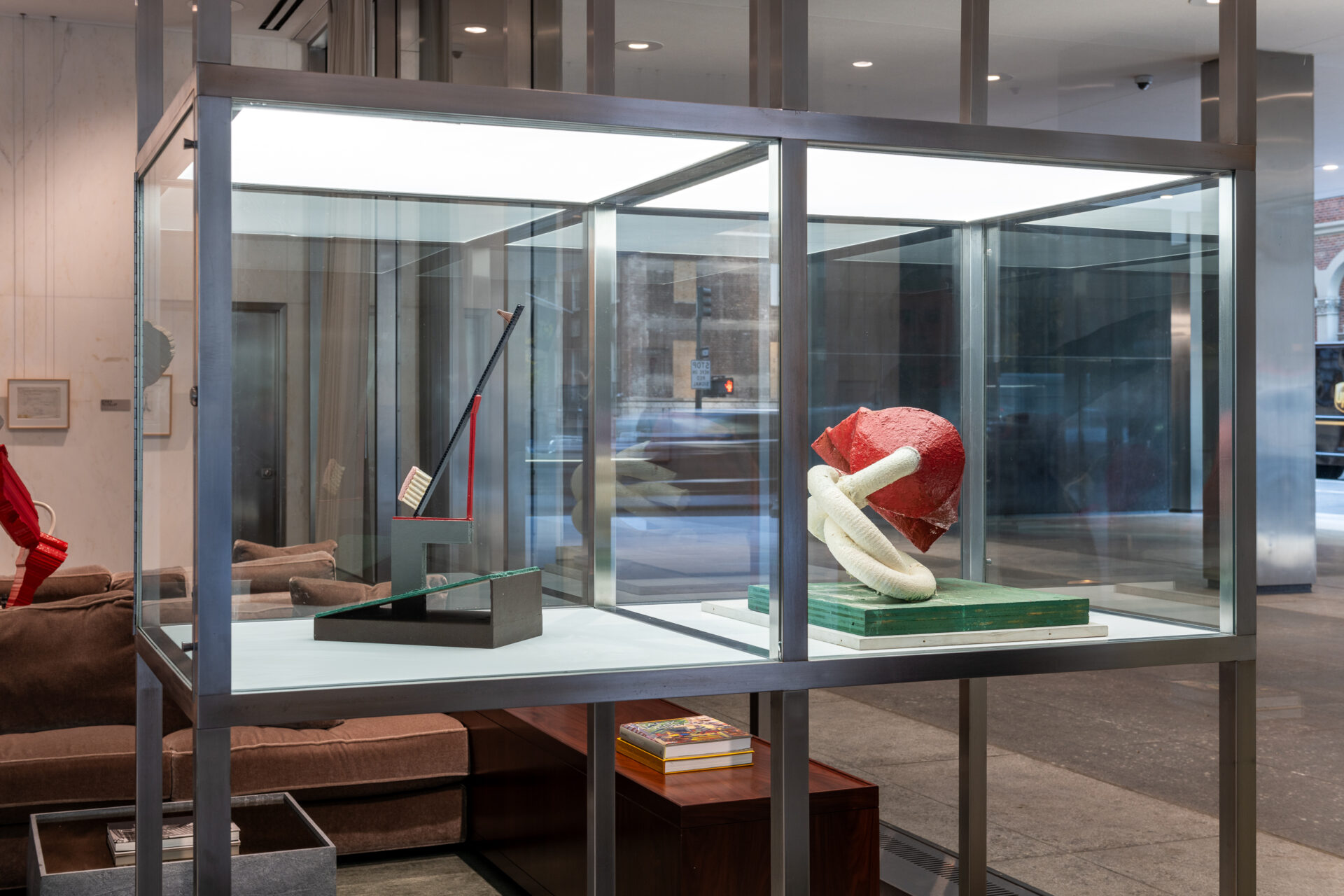
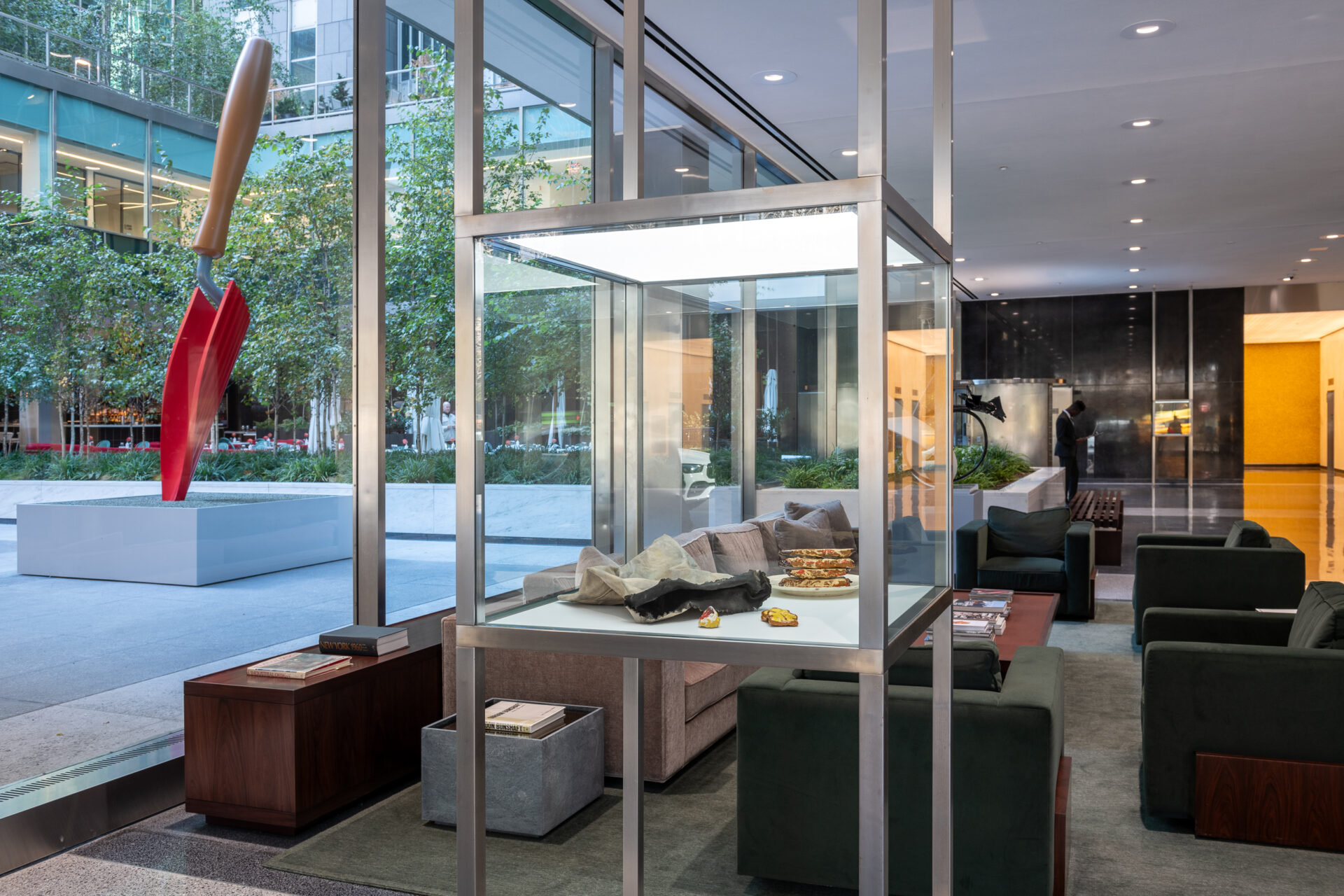
A particular focus of the presentation was Oldenburg and van Bruggen’s sculptures that depict consumer products, such as toothpaste and lipstick, as Lever House was built in 1952 as the headquarters for Lever Brothers, a preeminent manufacturer of soap and consumer goods. These sculptures were displayed in the original and newly restored lobby vitrines, which Lever Brothers used to showcase their products.
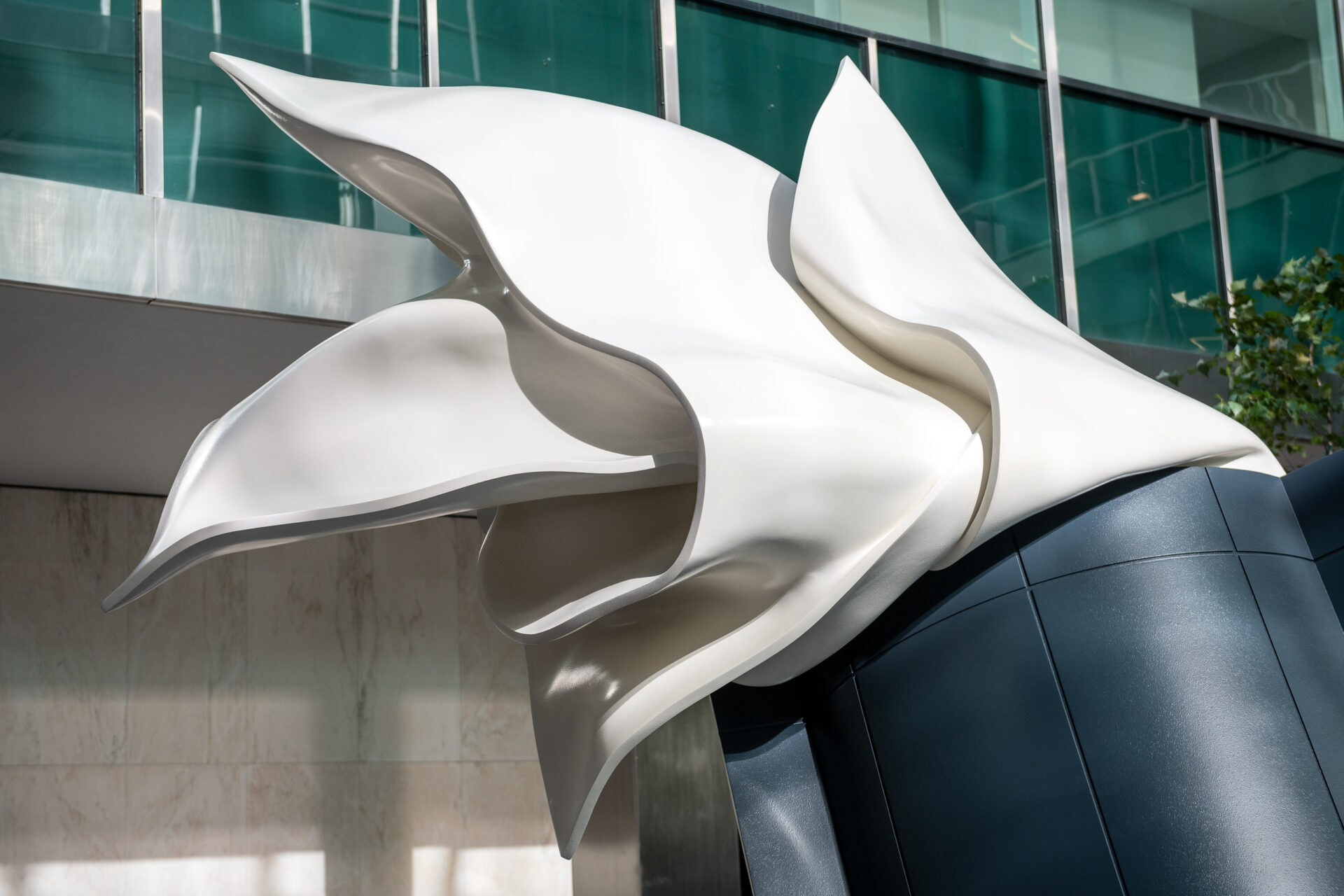
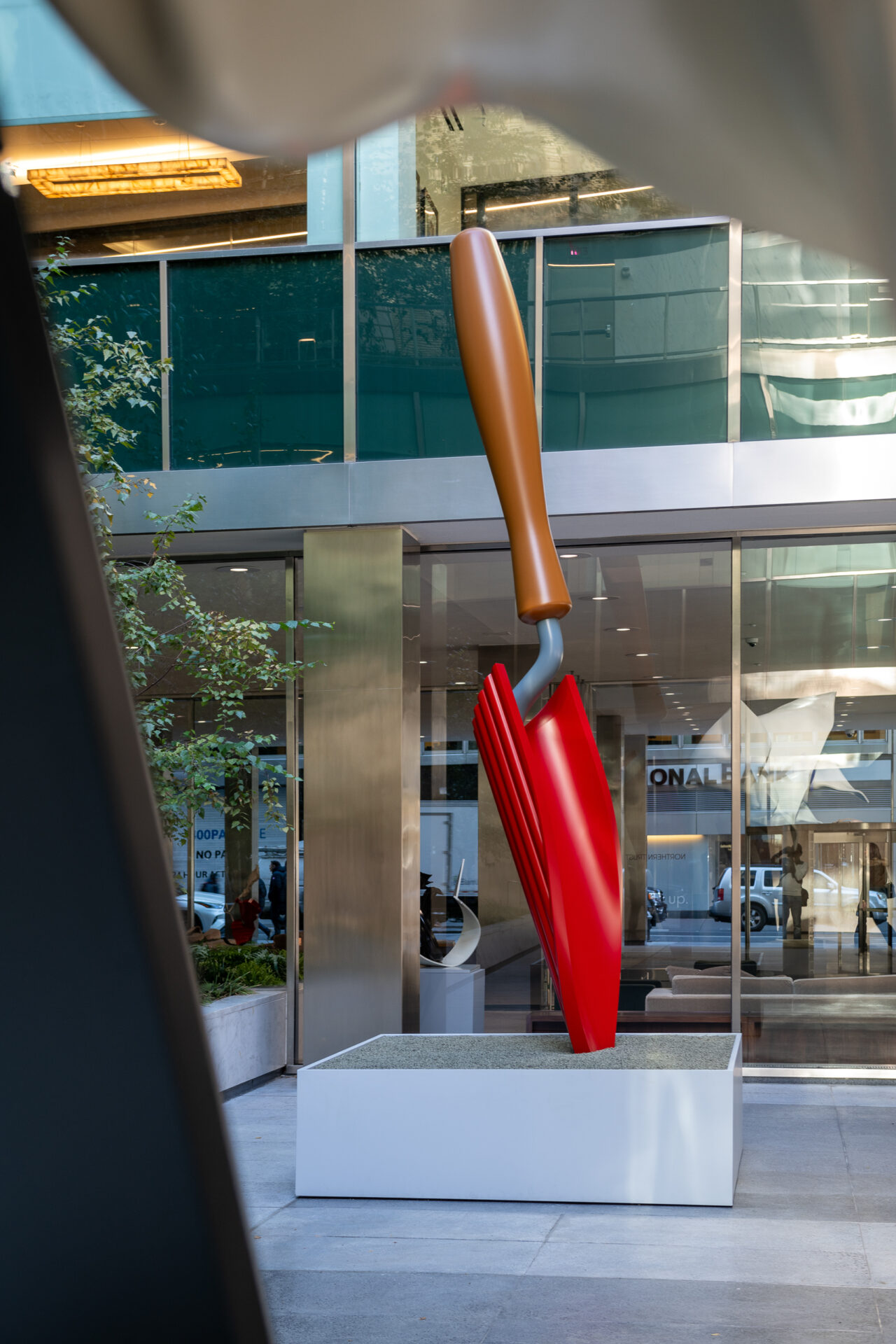
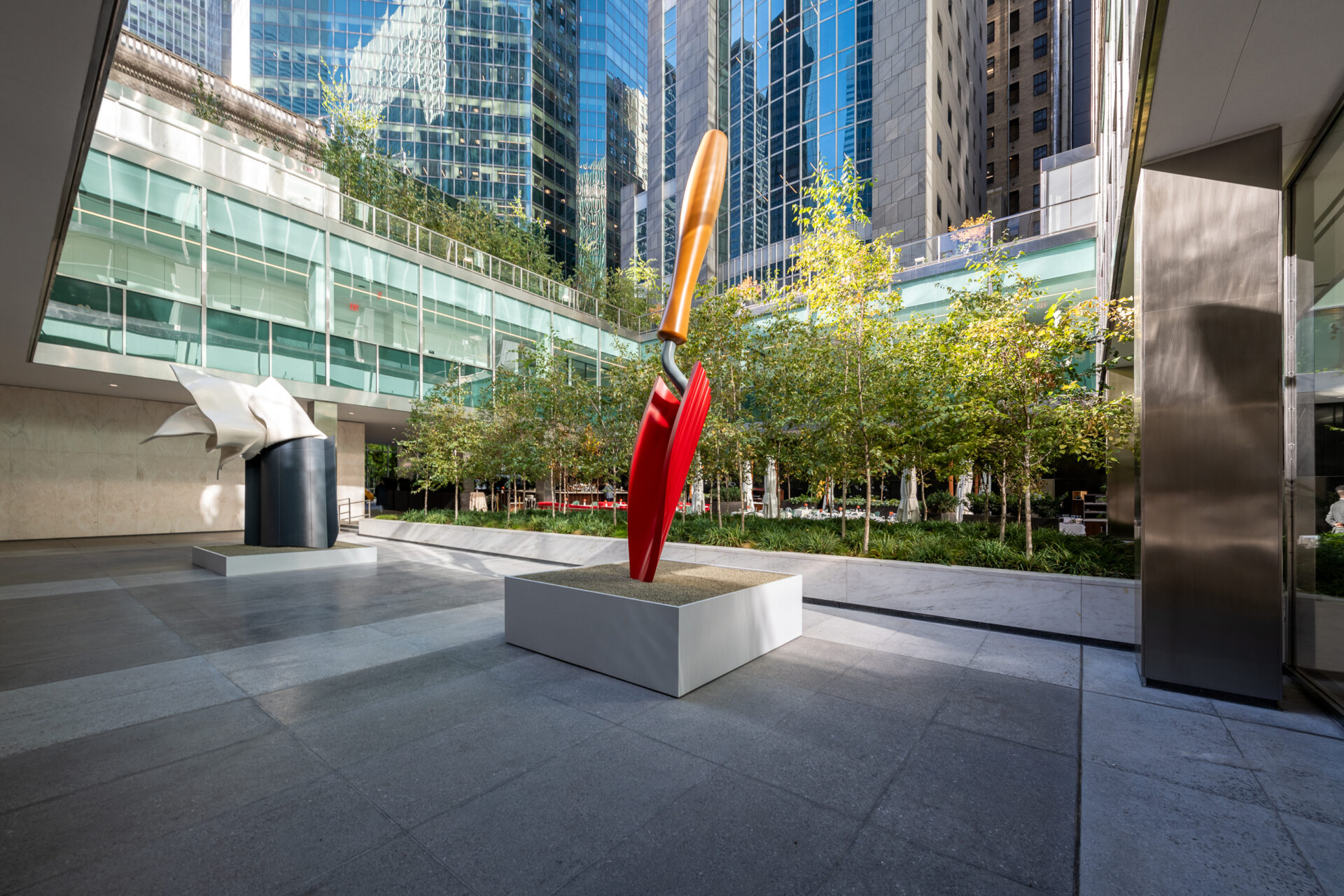
Other works in the presentation touched on midcentury architecture, such as Architect’s Handkerchief, a twelve-foot tall depiction of Mies Van Der Rohe’s characteristic pocket handkerchief, and Plantoir, a 16-foot tall sculpture of a garden trowel, installed in the central courtyard adjacent to Lever House’s iconic indoor-outdoor planter (one of the building’s many firsts, and an innovation that exemplifies the building’s radical integration of indoor and outdoor space.)
New York Times: Soft and Seditious, Claes Oldenburg & Coosje van Bruggen Take Manhattan
ArtNEWS: Jacob King on Oldenburg and van Bruggen, Corporate Collaboration, and Public Art
Ellsworth Kelly
May 2023 – August 2024
List of Works
BGRE and WatermanClark, LLC presented Ellsworth Kelly: Sculpture at Lever House from May 2023 – August 2024, unveiling a group of important freestanding sculptures produced by Ellsworth Kelly (1923–2015) between 1982 and 2015. Though Ellsworth Kelly is widely regarded as one of the most significant painters, sculptors, draftsmen, and printmakers of the twentieth century, this exhibition at Lever House shed light on a lesser-known but central part of his artistic practice.
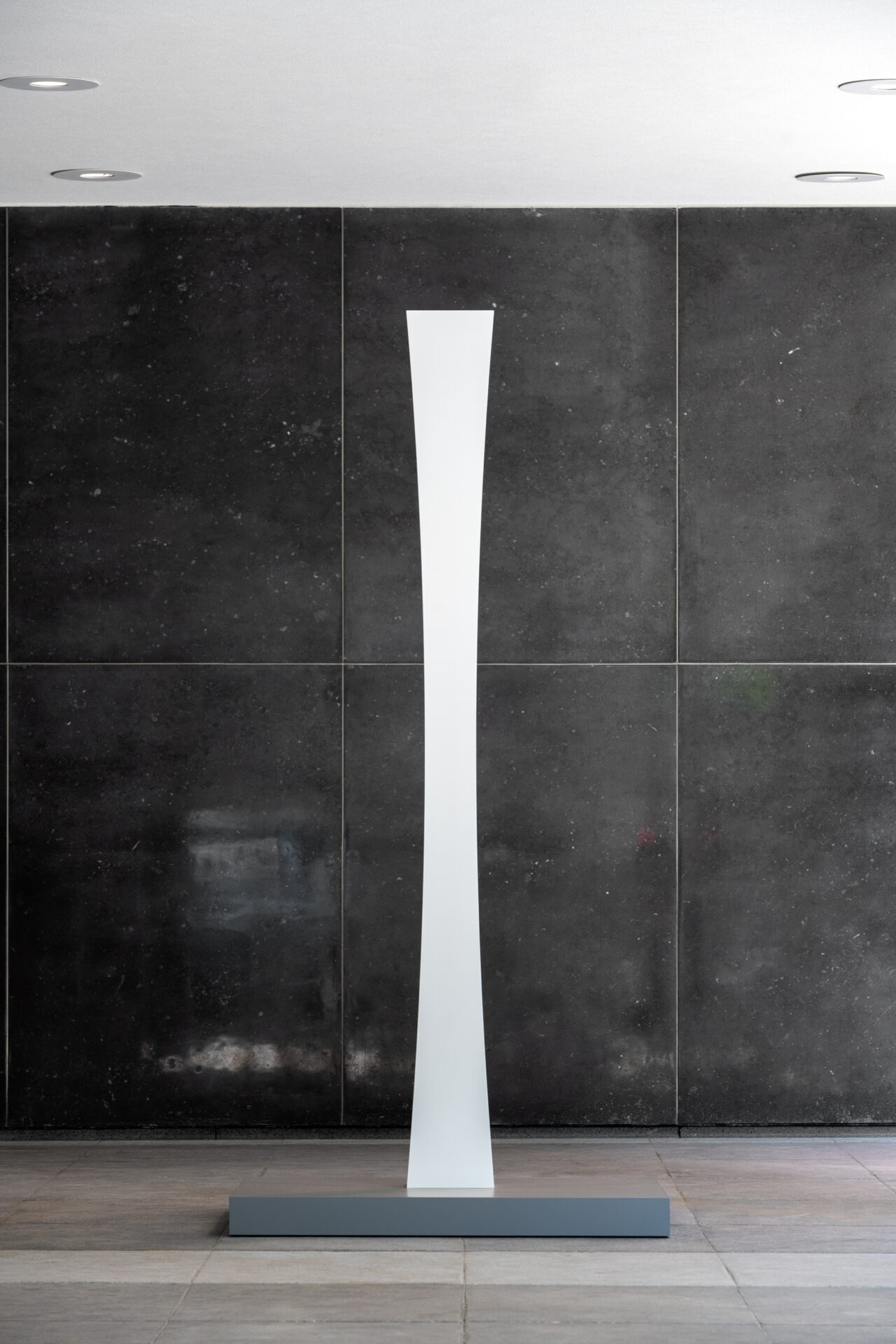
Many of the works in Ellsworth Kelly: Sculpture belong to a series of slender-yet-towering forms begun by the artist in the early 1970s, whose precise, almost classical contours take inspiration from ancient Greek figural sculpture. Mounted throughout Lever House’s newly restored indoor and outdoor spaces, this monumental body of work has seldom been the sole subject of a New York exhibition—the last major show of Kelly sculpture was staged at the Whitney Museum of American Art in 1982.
The ambitious presentation offered the public a new opportunity to reevaluate a definitive series from one of America’s most influential artists, experienced within an icon of twentieth-century architecture. Freestanding planes of aluminum, bronze, and wood, Kelly’s sculptures created a dynamic interplay with Lever House’s spectacular and recently restored terrazzo, glass, and marble surfaces. A series of small-scale sculptural maquettes from throughout Kelly’s career were also displayed in the lobby’s historic metal and glass vitrines, originally built to showcase Lever Brothers’ consumer products.
Timed to the artist’s centennial on May 31, 2023, Lever House joined several other institutions across the globe in honoring Kelly’s indelible legacy with major programs, publications, and exhibitions. Alongside shows at The Museum of Modern Art, Glenstone Museum, the Art Institute of Chicago, and the Philadelphia Museum of Art, Ellsworth Kelly: Sculpture at Lever House offered an important contribution to the year-long festivities.
These concurrent initiatives illuminated trajectories within Kelly’s practice, giving viewers an opportunity to view an unprecedented amount of works by the artist. Forging conversations across exhibitions, Lever House’s presentation provided a compelling juxtaposition to Kelly’s 1957 Sculpture for a Large Wall, installed at The Museum of Modern Art. Recognized as Kelly’s first sculpture, Sculpture for a Large Wall showcased a precedent for the works on view at Lever House, which trace the last three decades of the artist’s career.